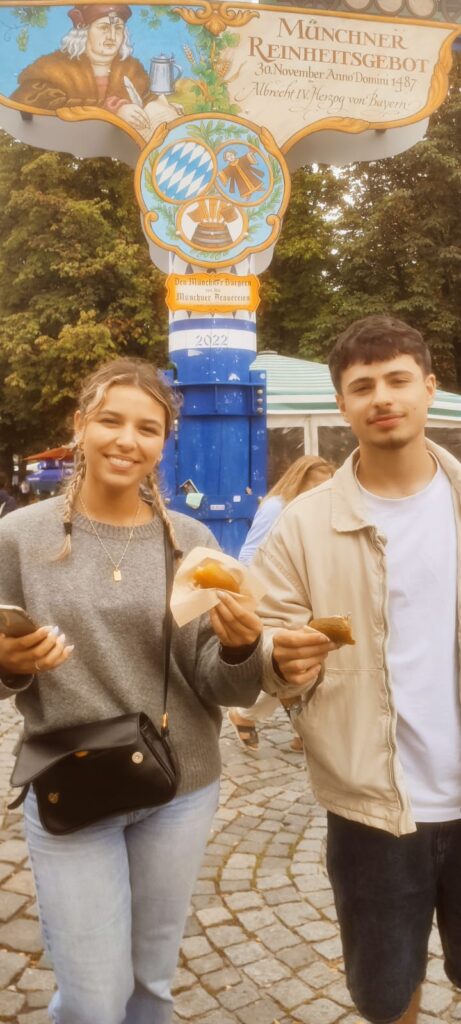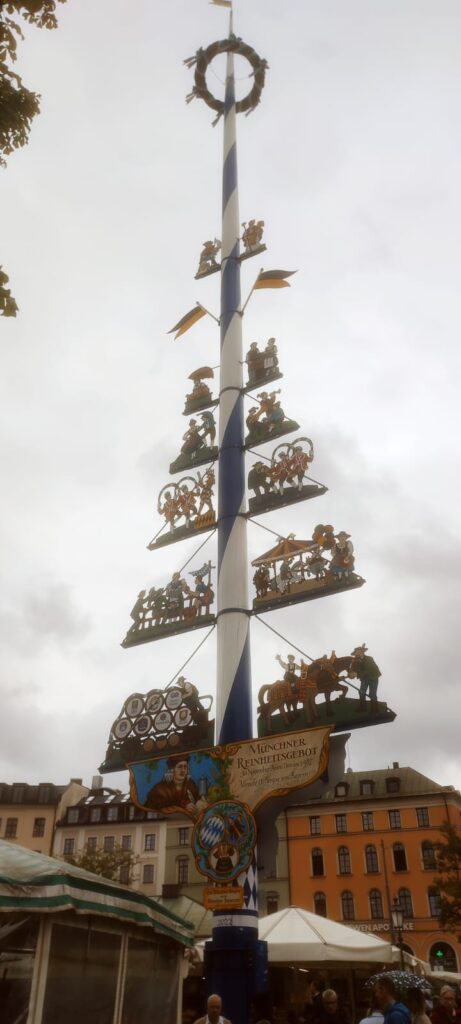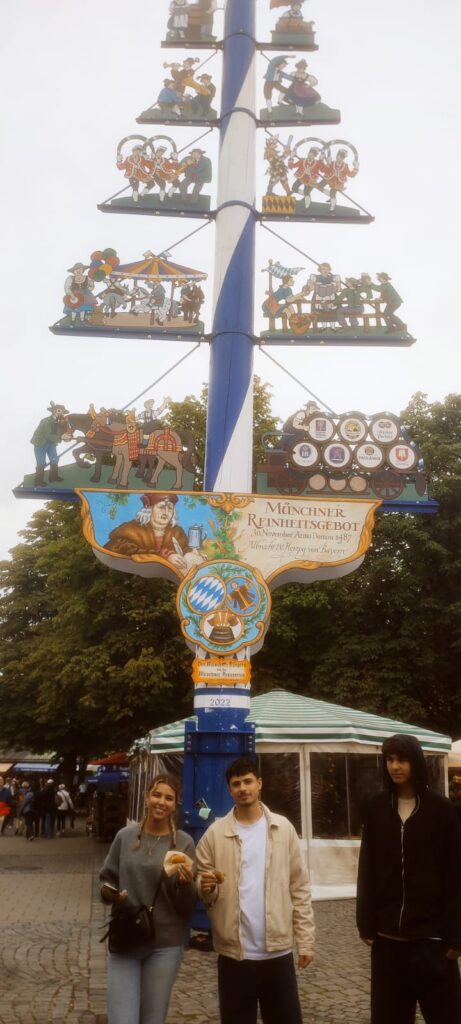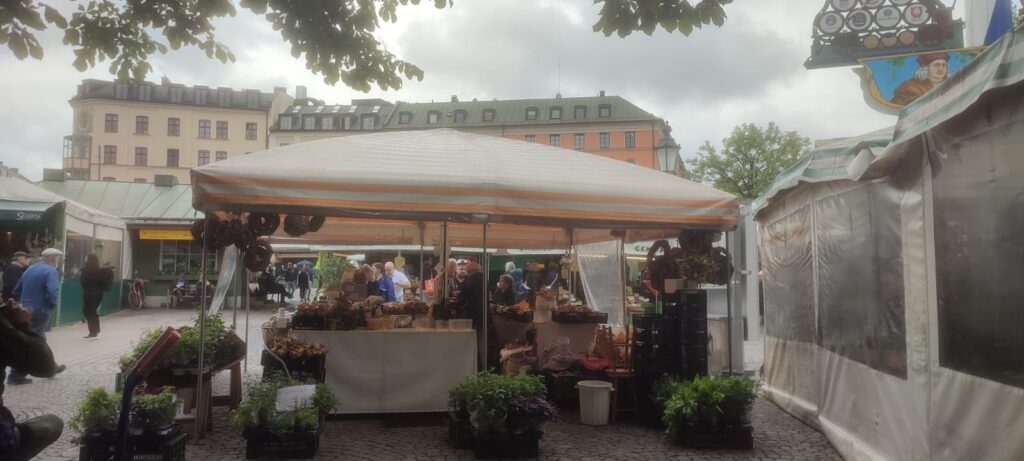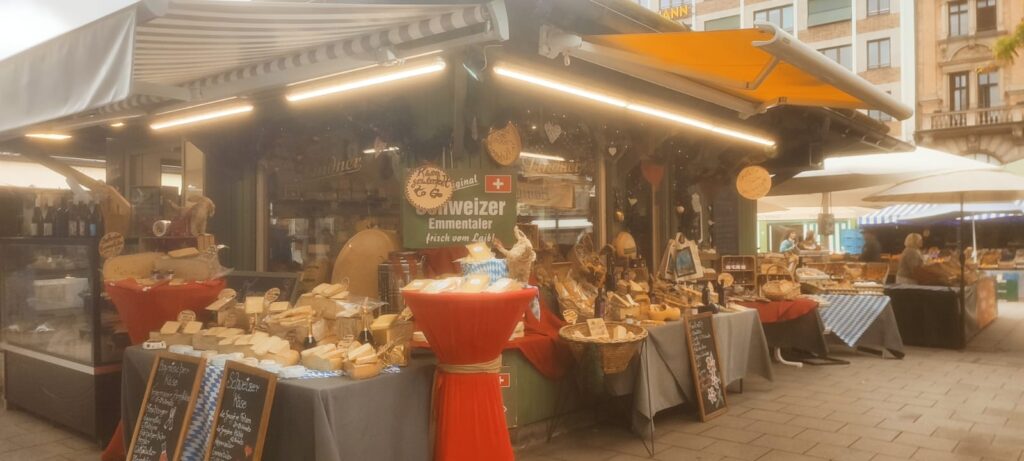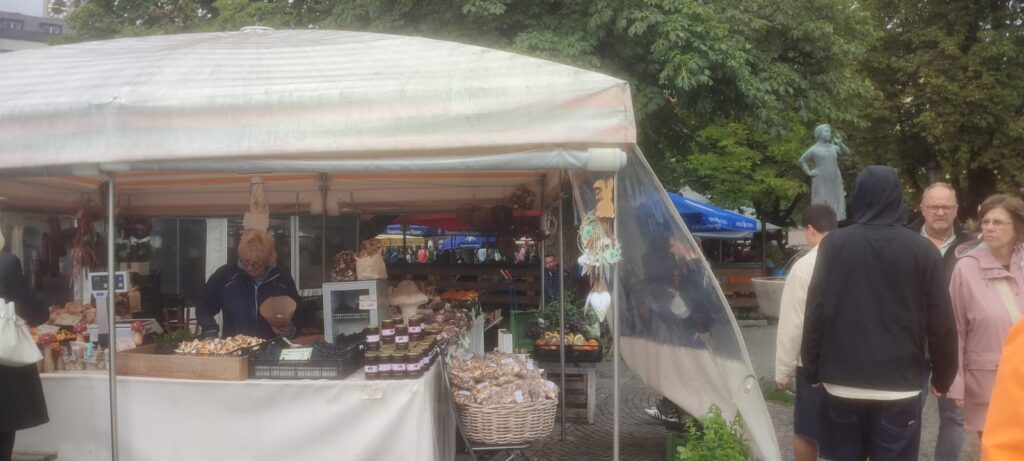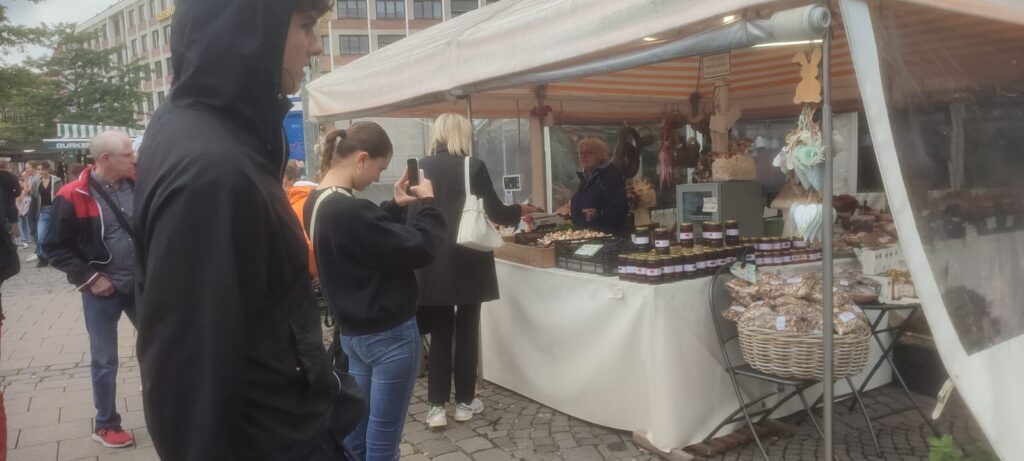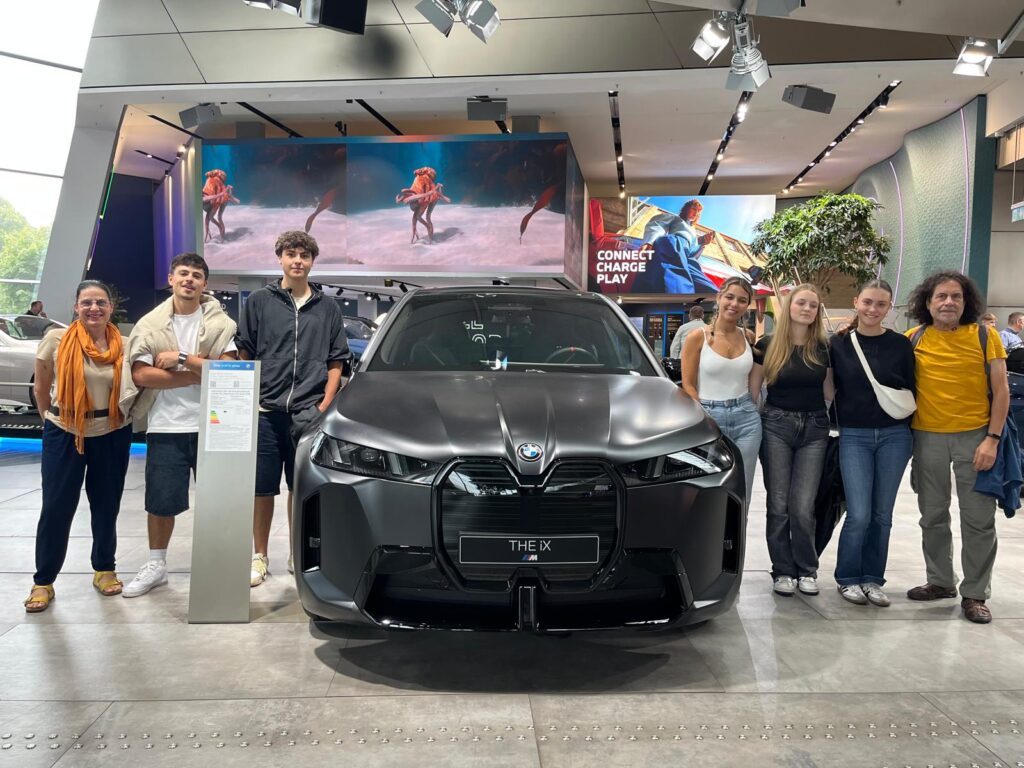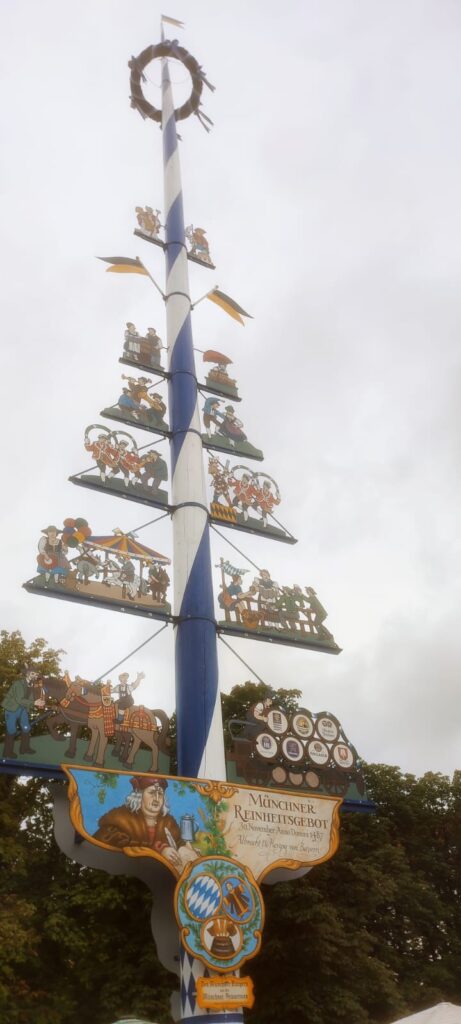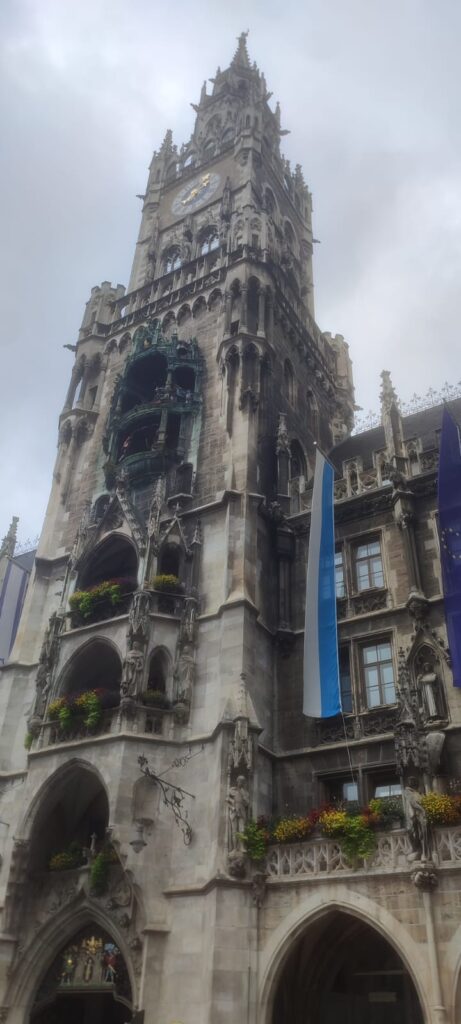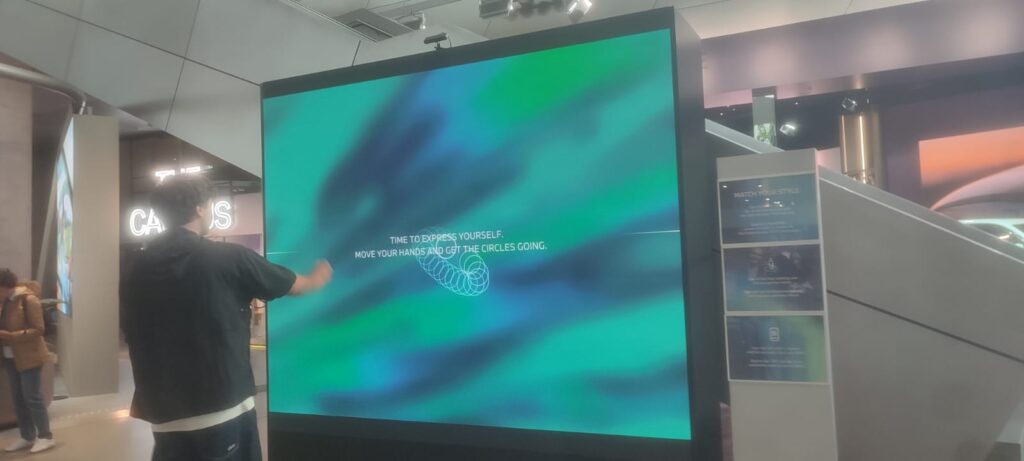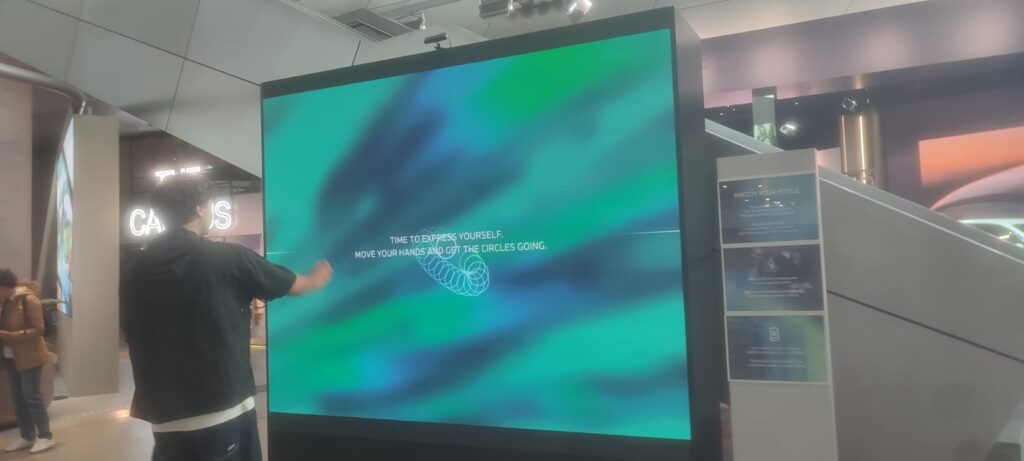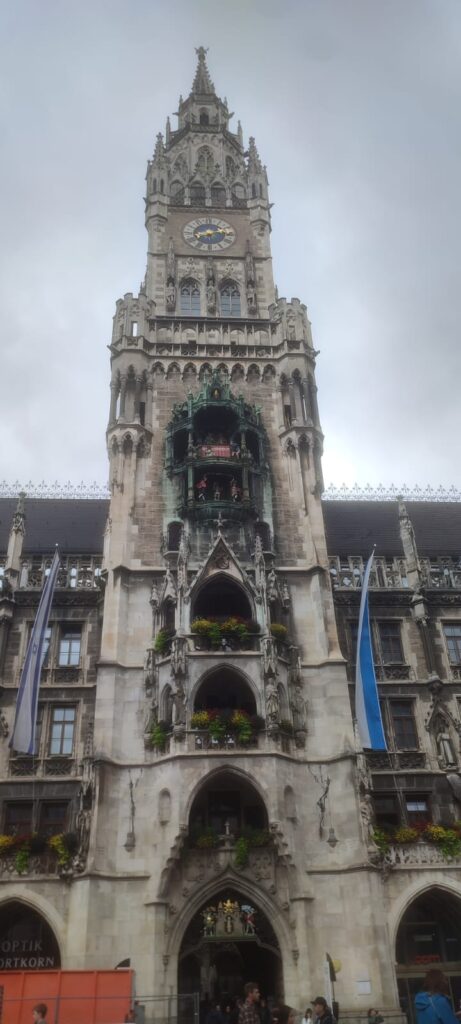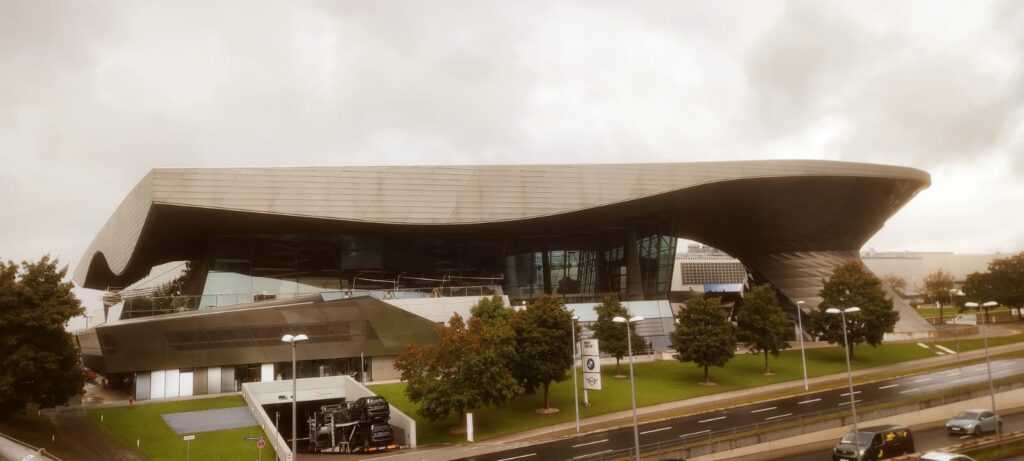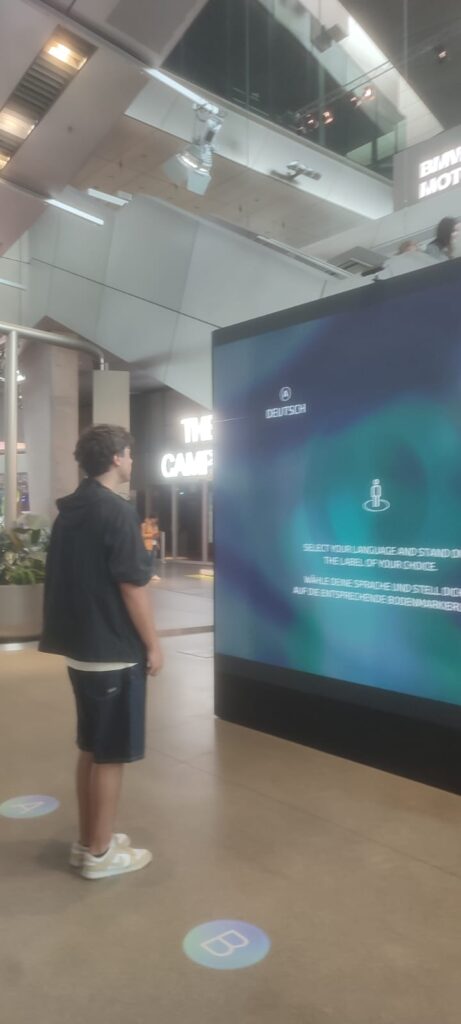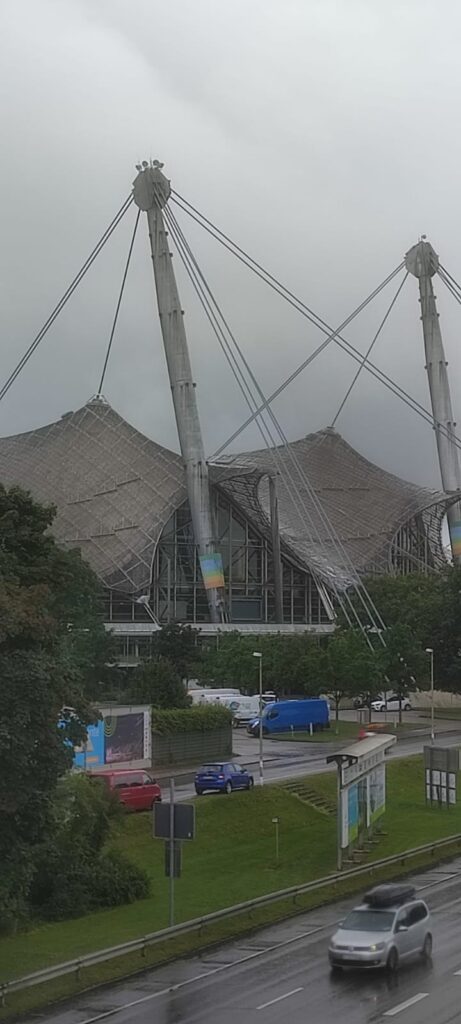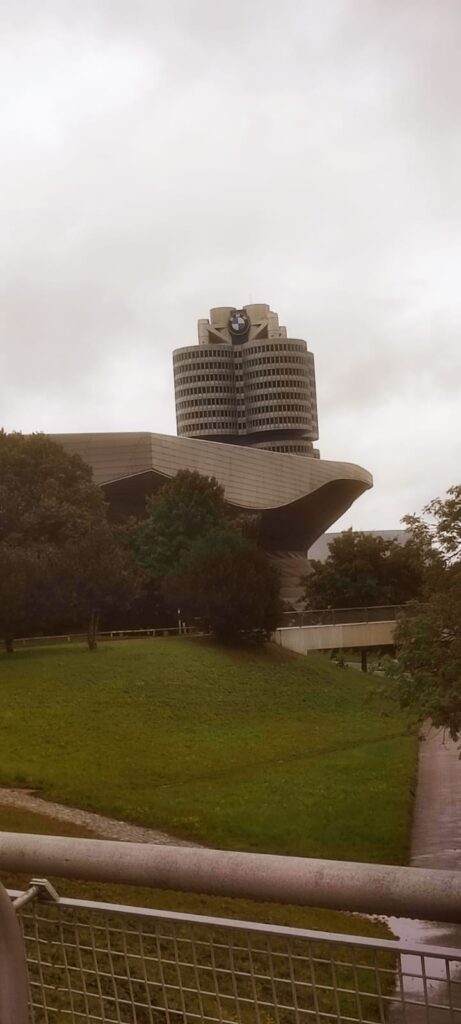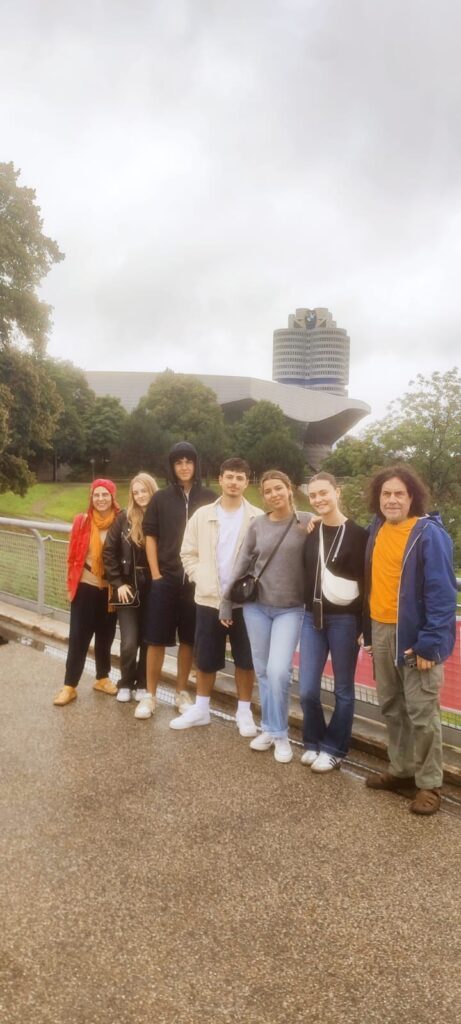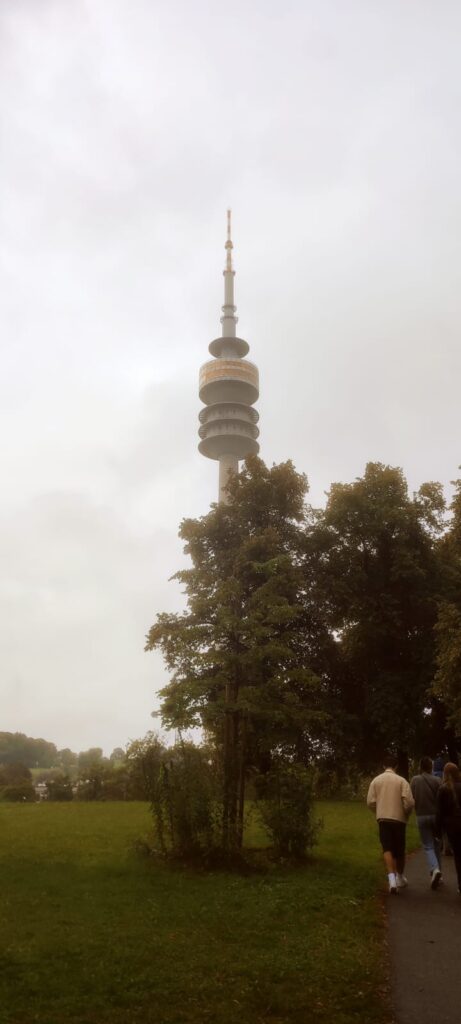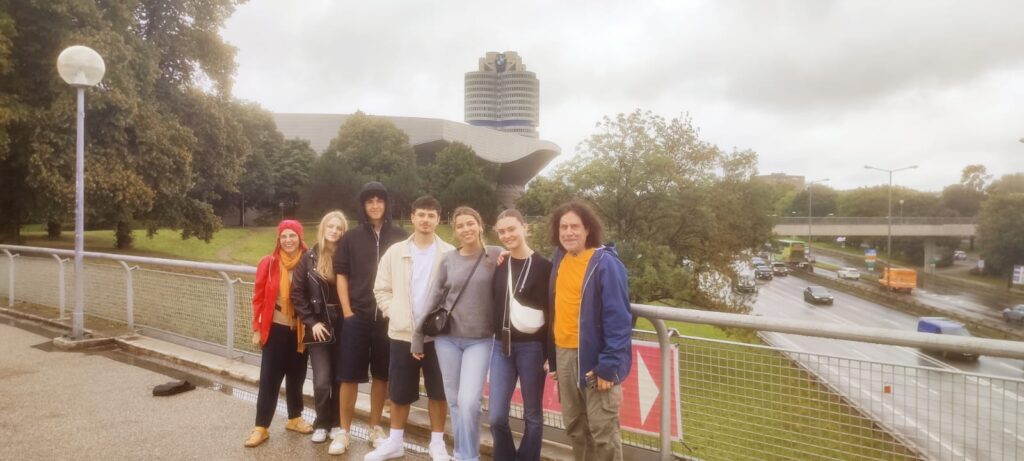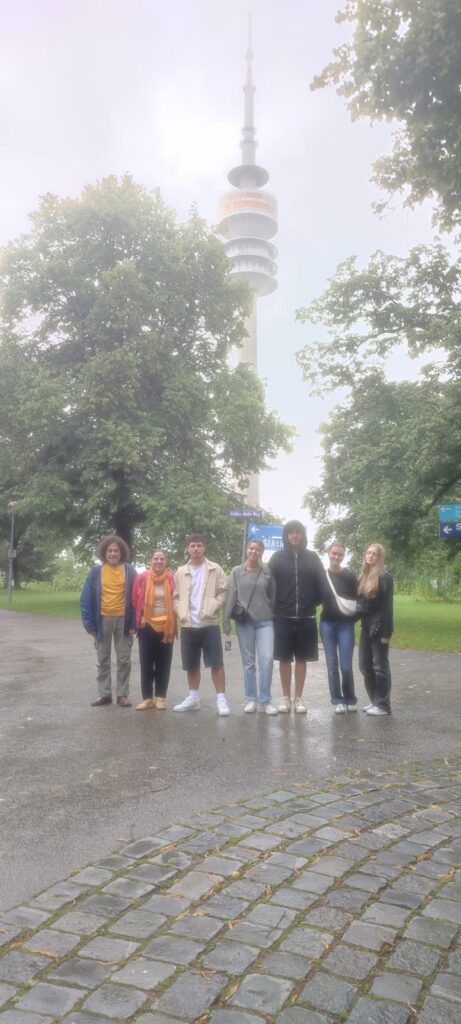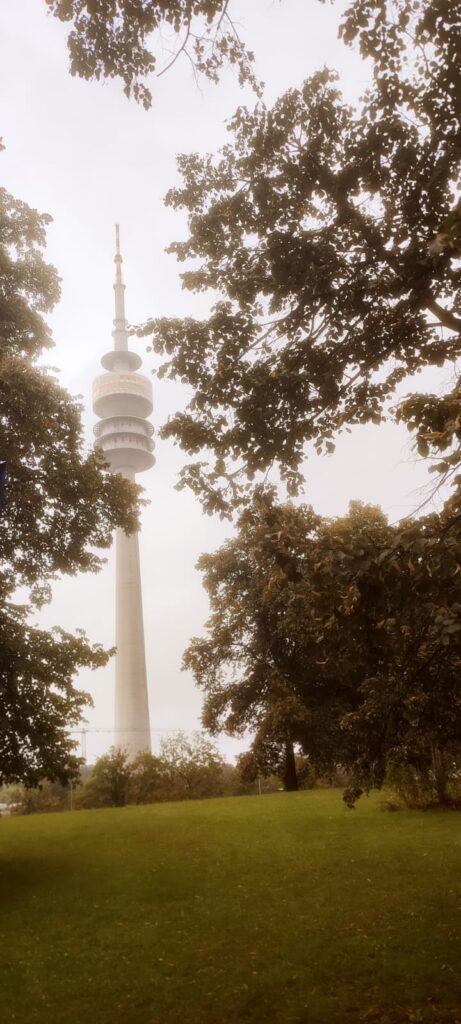

Munich, the city where modernity and tradition blend seamlessly. Green spaces are privileged, and the entire city breathes green solutions, in various locations that constitute true pillars of resilience, and where what were once ruins and testimonies of the War are now examples of urban and functional restructuring, enabling the identification of sustainable solutions in spaces that were once bombed. Munich Olympic Park (legacy of green infrastructure). Built for the 1972 Olympic Games, Olympiapark (Olympia Park) is a green lung spanning over 300 hectares. After World War II, much of the city’s rubble was transported to the area, becoming the park’s current hills. During construction, an innovative practice for the time was employed: the reuse of construction debris. “Viktualienmarkt,” the market currently sells organic food and gourmet. The “Englischer Garten,” a green lung of over 400 hectares that constitutes one of the largest urban parks in the world, is another example of sustainable solutions, especially in terms of construction and energy efficiency. The building incorporates technologies such as solar panels on the roof and facades, which contribute to heating and energy generation, and uses large glazed areas to optimize ventilation and temperature. In addition to showcasing the brand’s cars, it stands out for its sustainable approach to construction and operation.
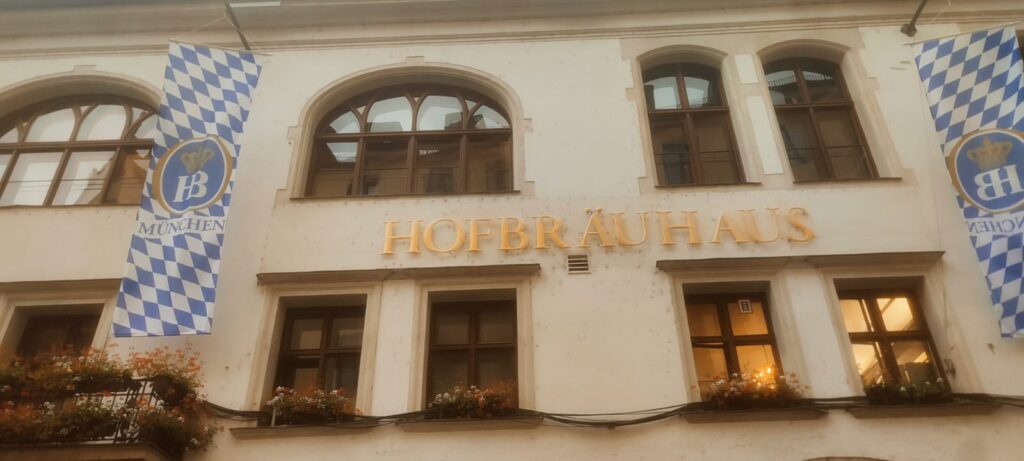
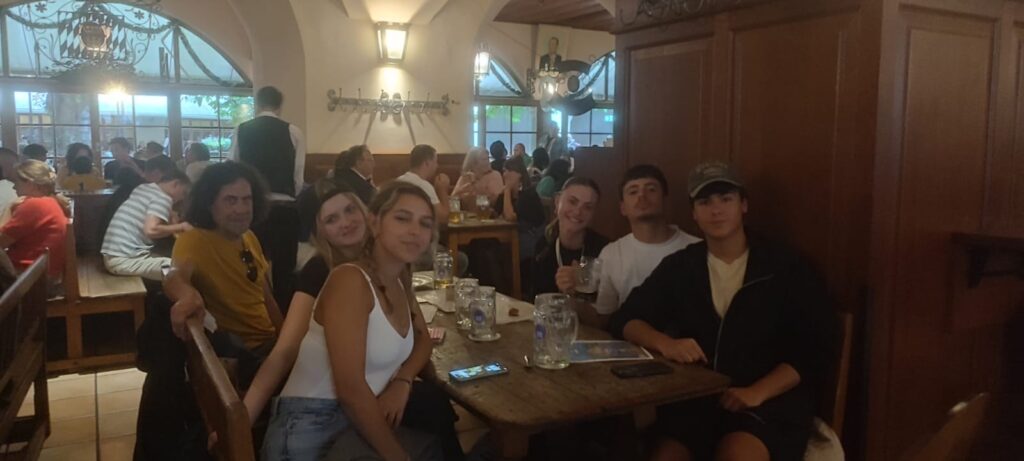
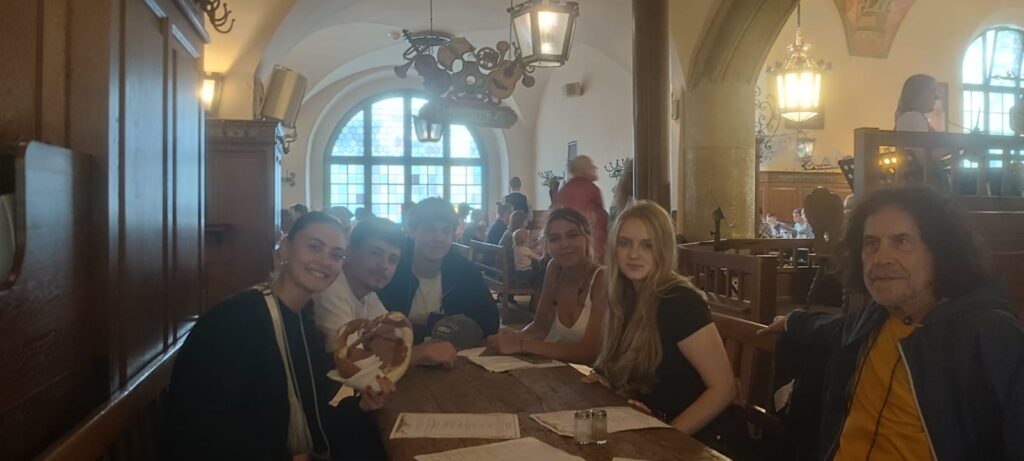
In Munich didn’t allow us to see much of the city, but curiosity was strong, and this is a trip full of learning opportunities on several levels, and a visit to the Hofbräuhaus Brewery is part of the cultural menu. A historic place where much happened, many issues were and are debated, and decisions were made, many of which helped shape our modern history. It’s good to know the consequences of decisions made in this very place because, sometimes, it’s better for history not to repeat itself.