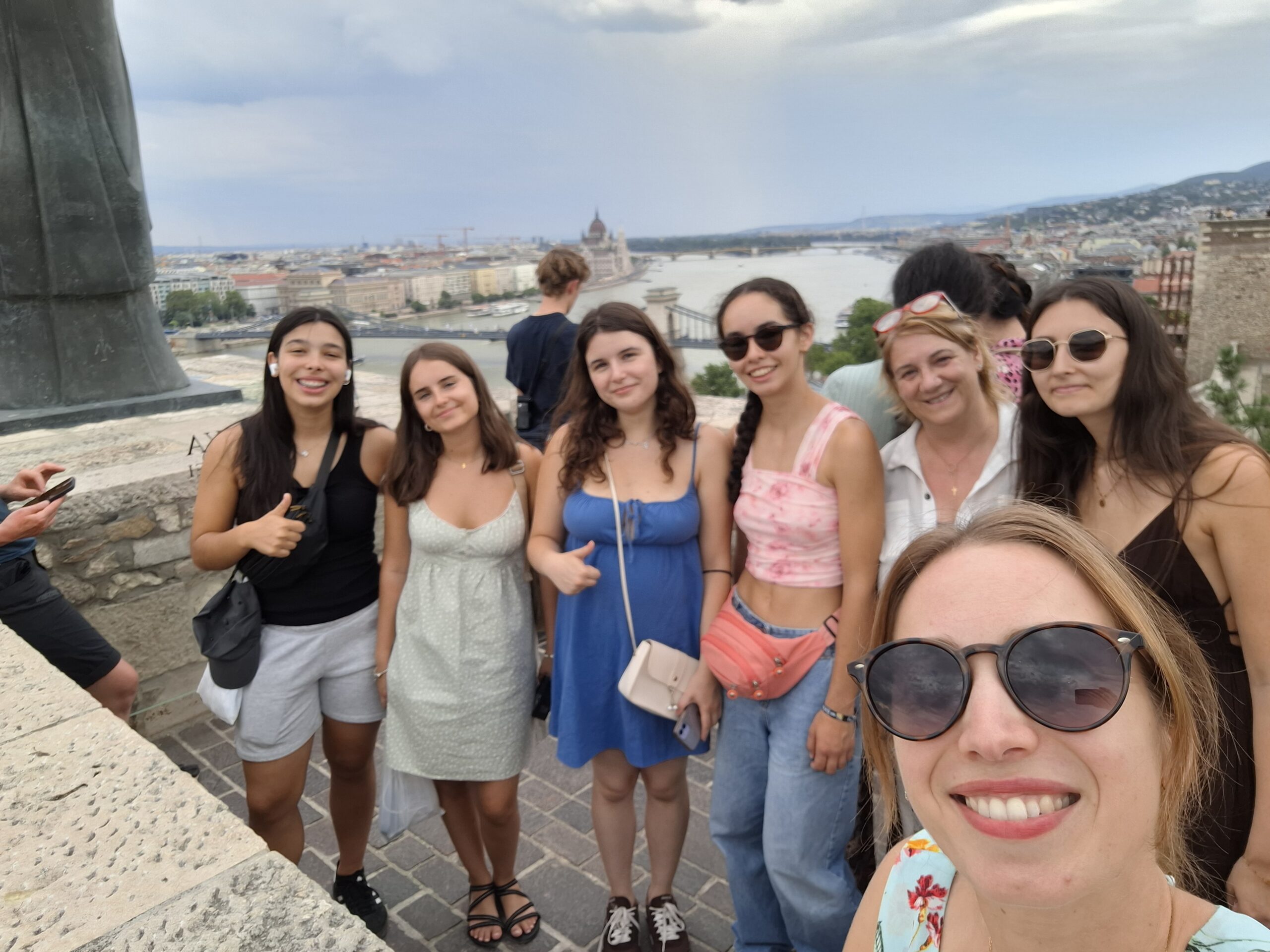
On the ninth day of our trip, we continued to explore the vibrant city of Budapest, diving deeper into its rich cultural, historical, and architectural heritage. The day began with a stroll through the city streets, where classical charm blends harmoniously with modern life.
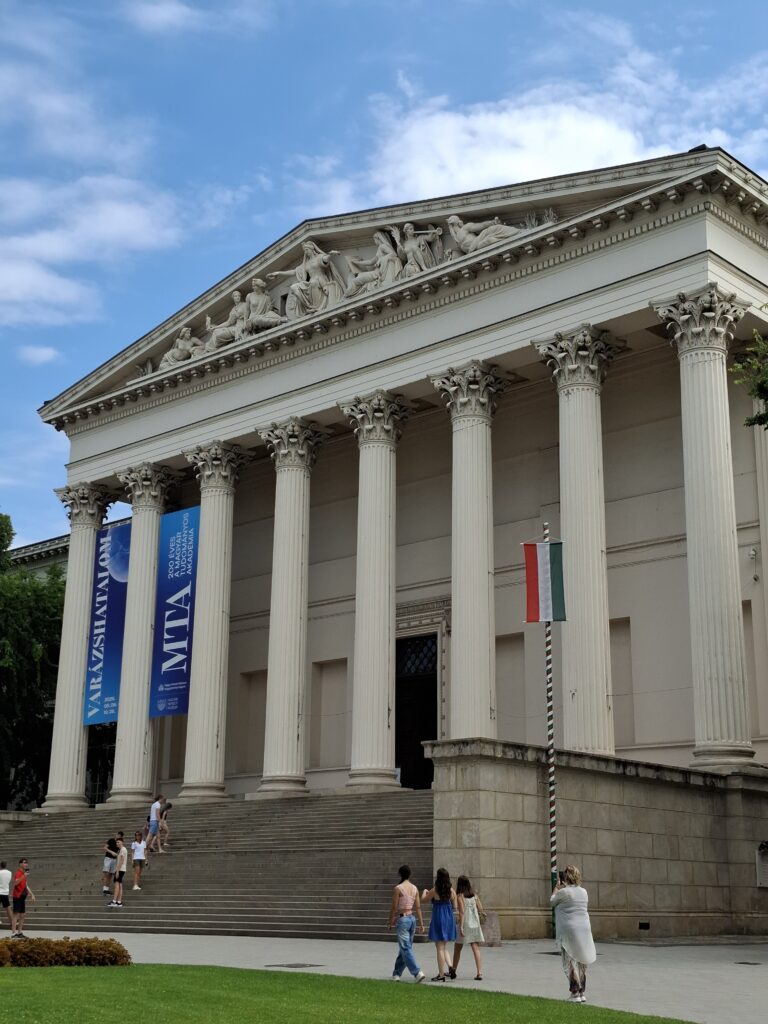
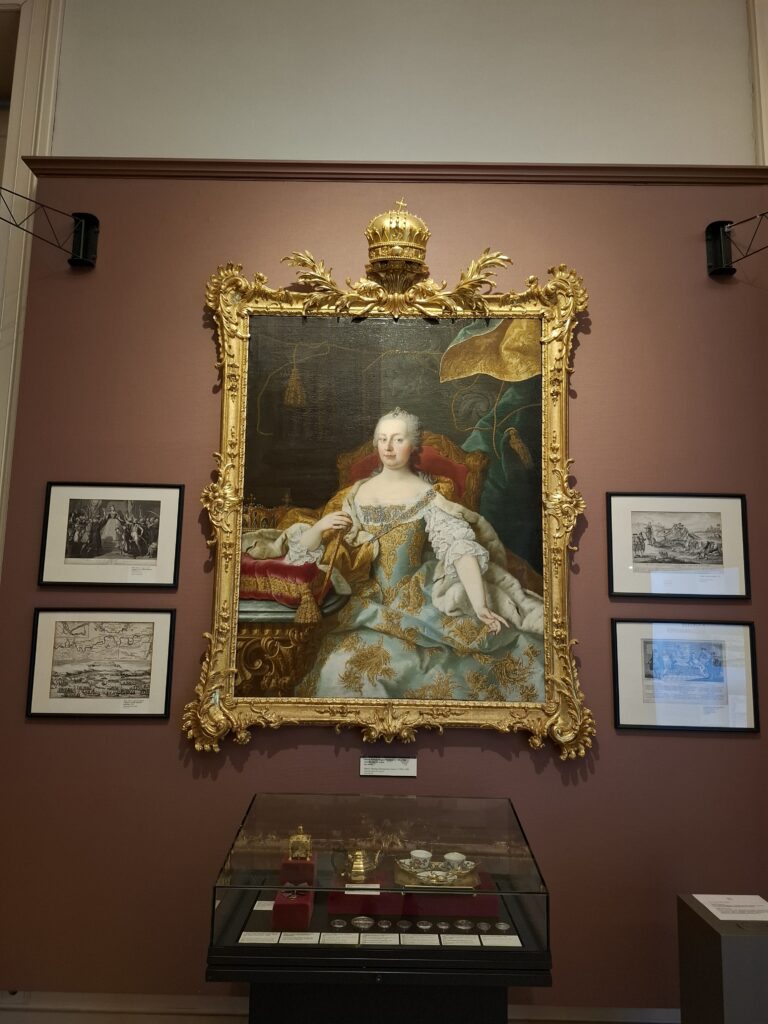
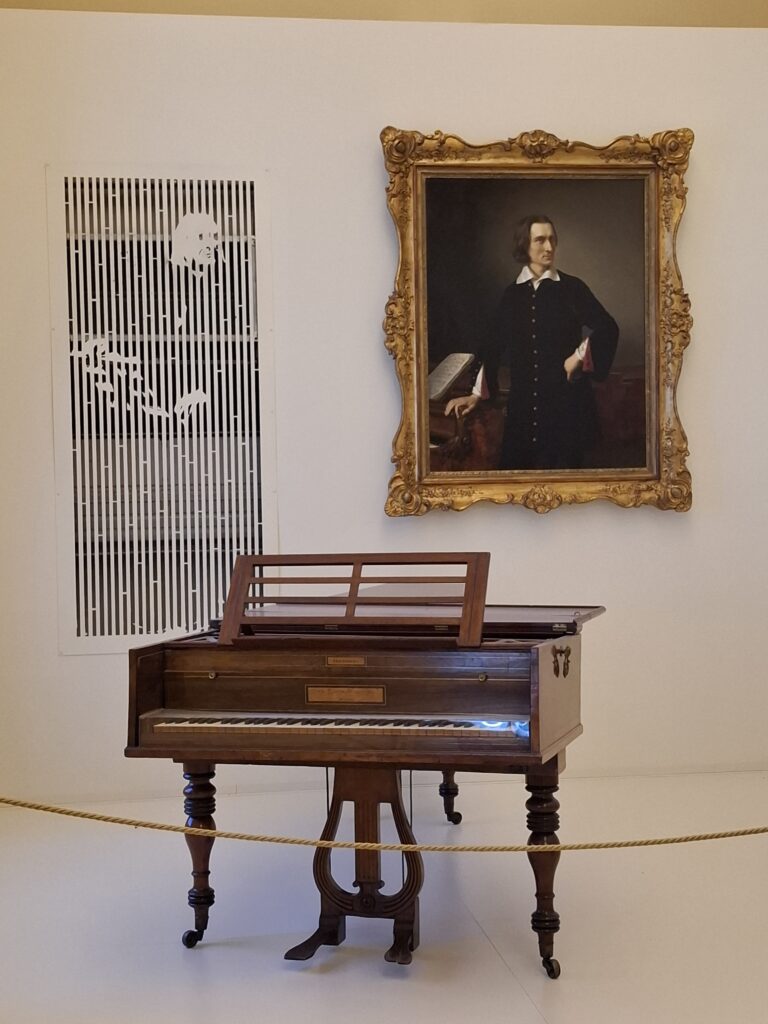
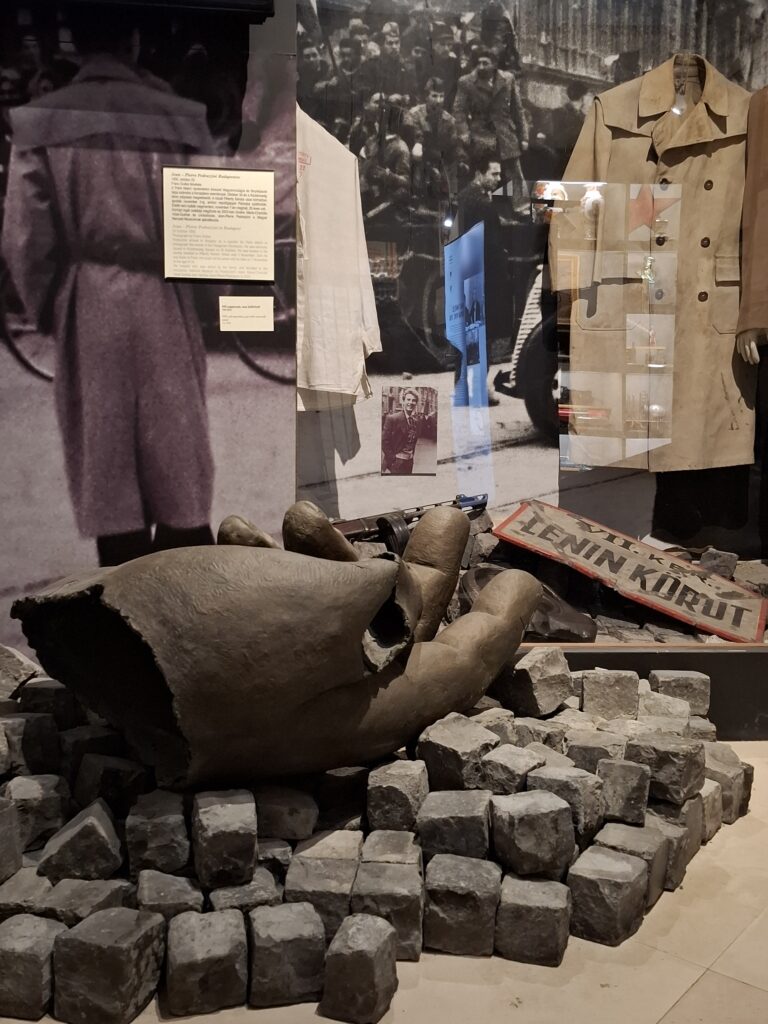
In the morning, we visited the Hungarian National Museum (Magyar Nemzeti Múzeum), a landmark institution founded in 1802 that preserves centuries of the country’s history and identity. There, we had the chance to learn about Hungary’s political, social, and cultural evolution — from the origins of the Magyar people, through the medieval period and Ottoman rule, to the 1848 Revolution, the communist era, and the transition to democracy. The museum’s permanent exhibition features archaeological artifacts, everyday objects, artworks, and historical documents that offer a comprehensive view of Hungary’s role in European history.
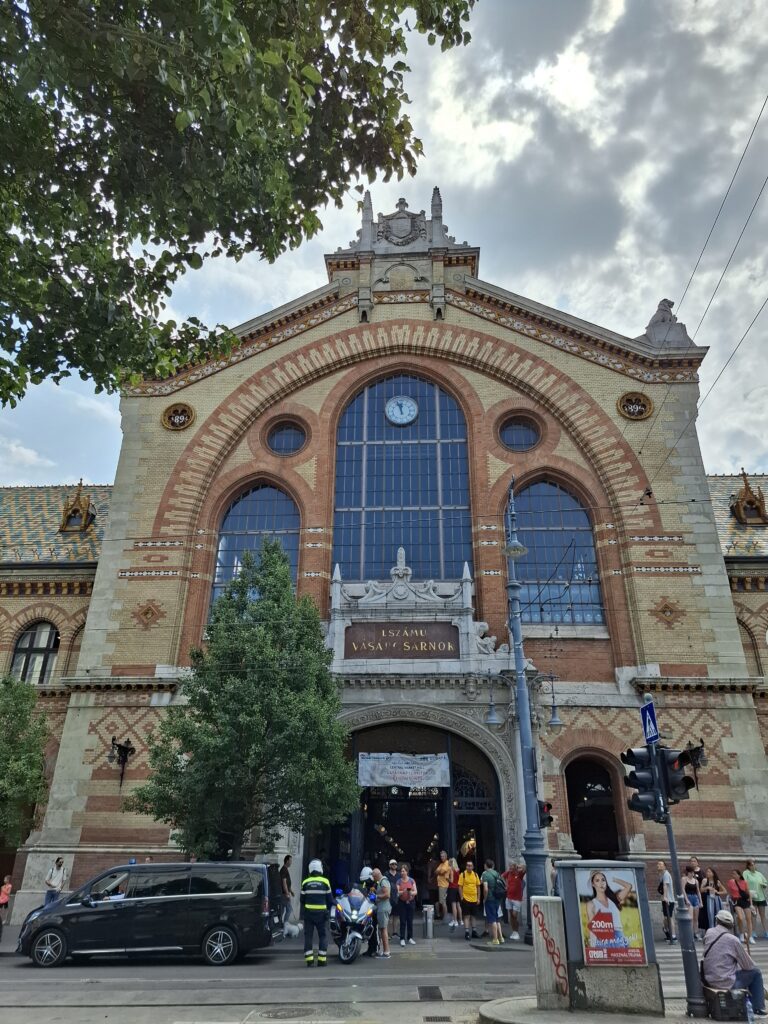
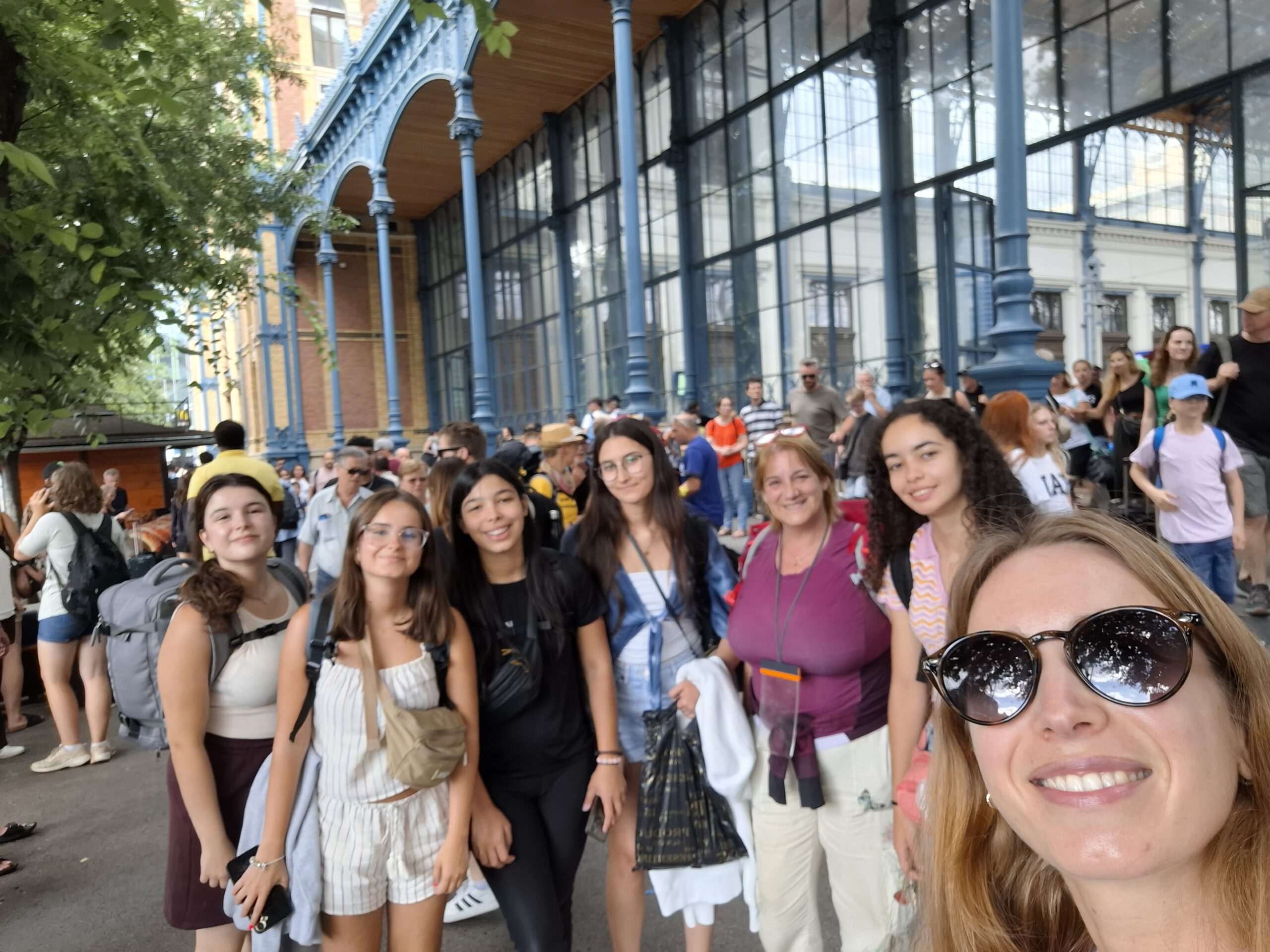
After the museum, we headed to the Great Market Hall (Nagyvásárcsarnok), the city’s largest and oldest indoor market. Inside, we discovered a wide variety of traditional Hungarian products — from spices like the famous paprika, to sausages, dried fruits, artisanal cheeses, and local sweets. The upper floor was filled with craft stalls, embroidered goods, souvenirs, and small food stands where we could try authentic dishes like lángos and gulyás.
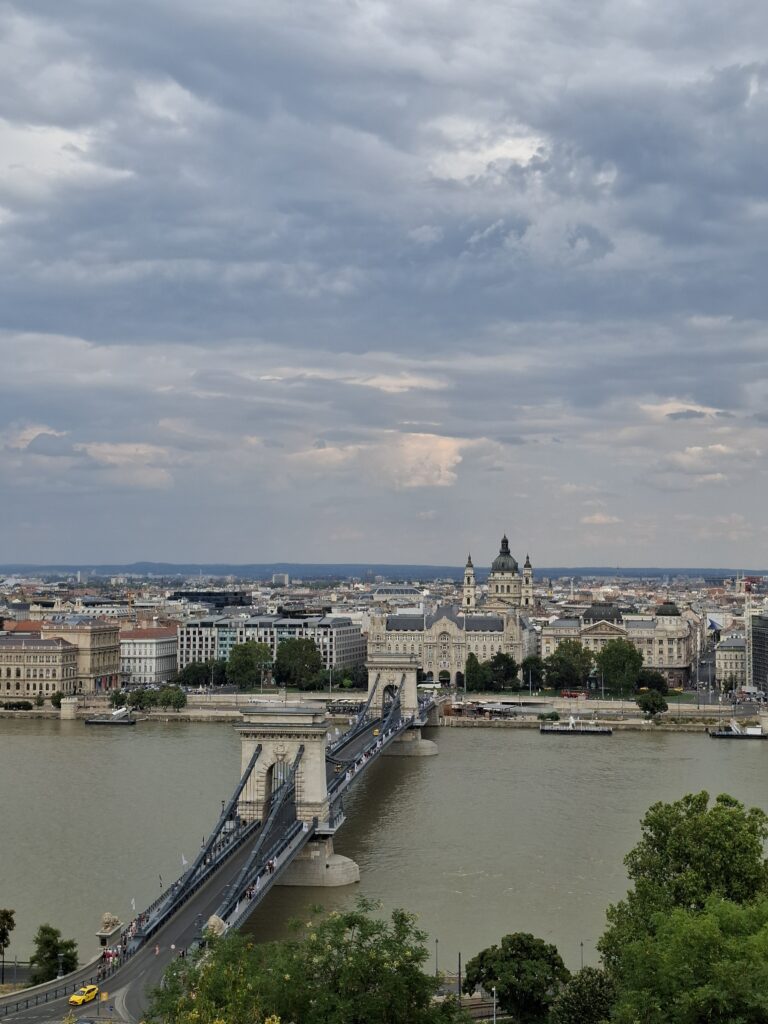
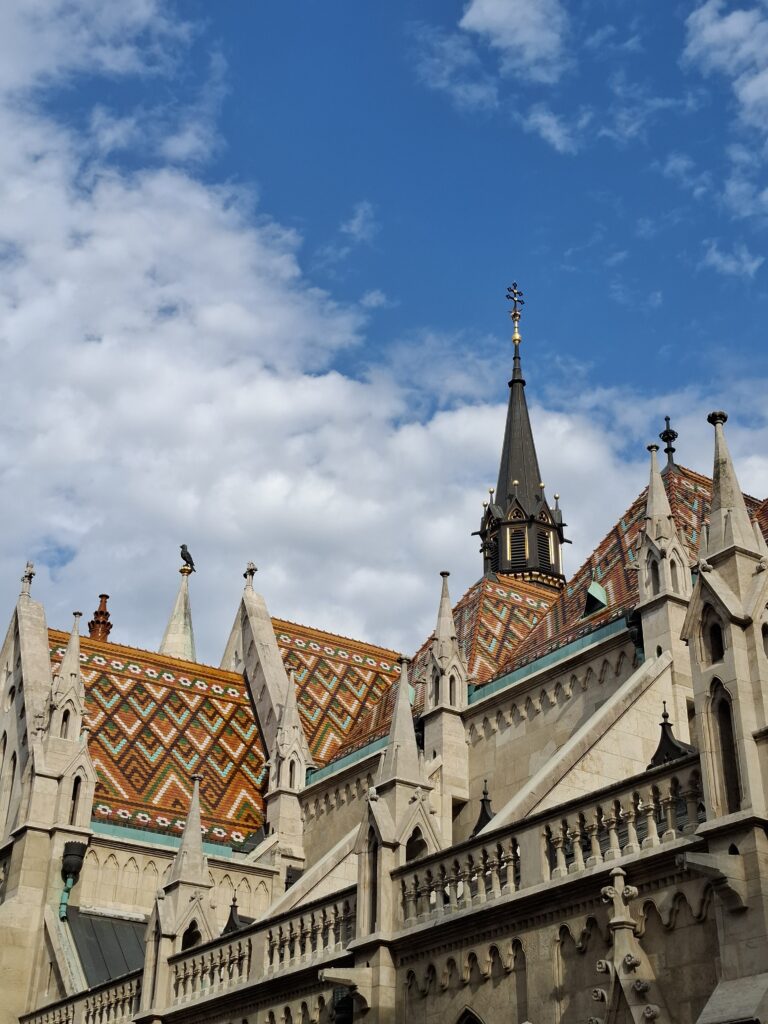
Crossing the iconic Széchenyi Chain Bridge, we made our way to the Buda side of the city, known for its hills and peaceful, historic atmosphere. We climbed up to the Castle District, where we visited several of its impressive religious monuments, including Matthias Church — famous for its colorful tiled roof — and enjoyed the panoramic views from the Fisherman’s Bastion, one of Budapest’s most photogenic spots.
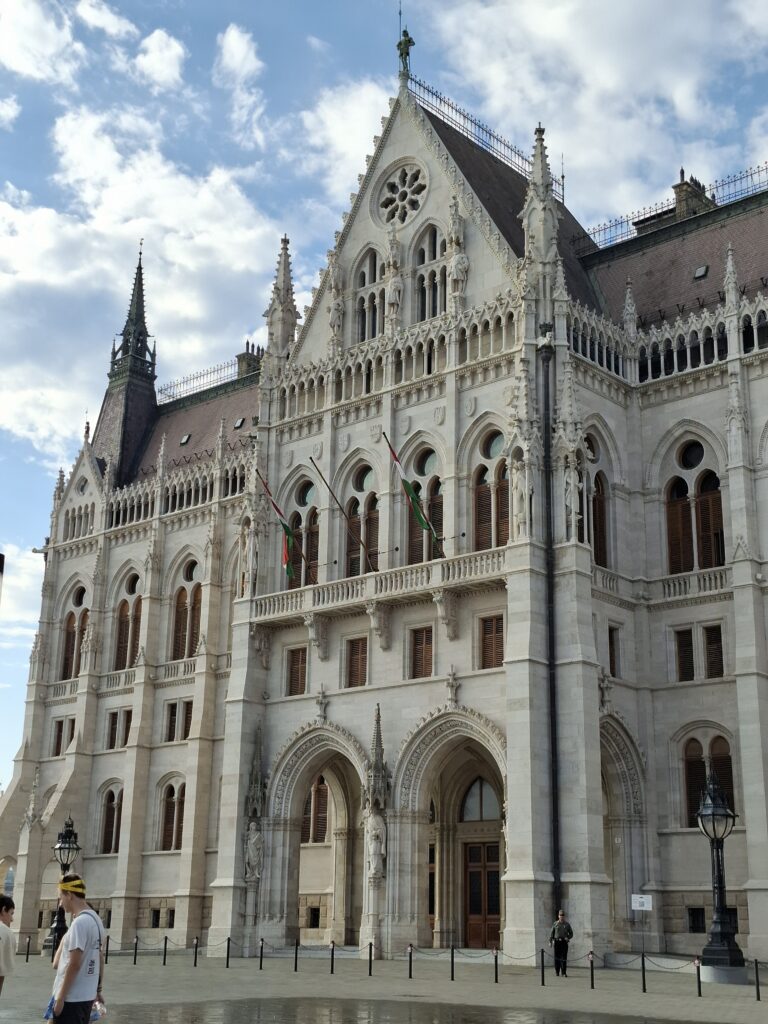
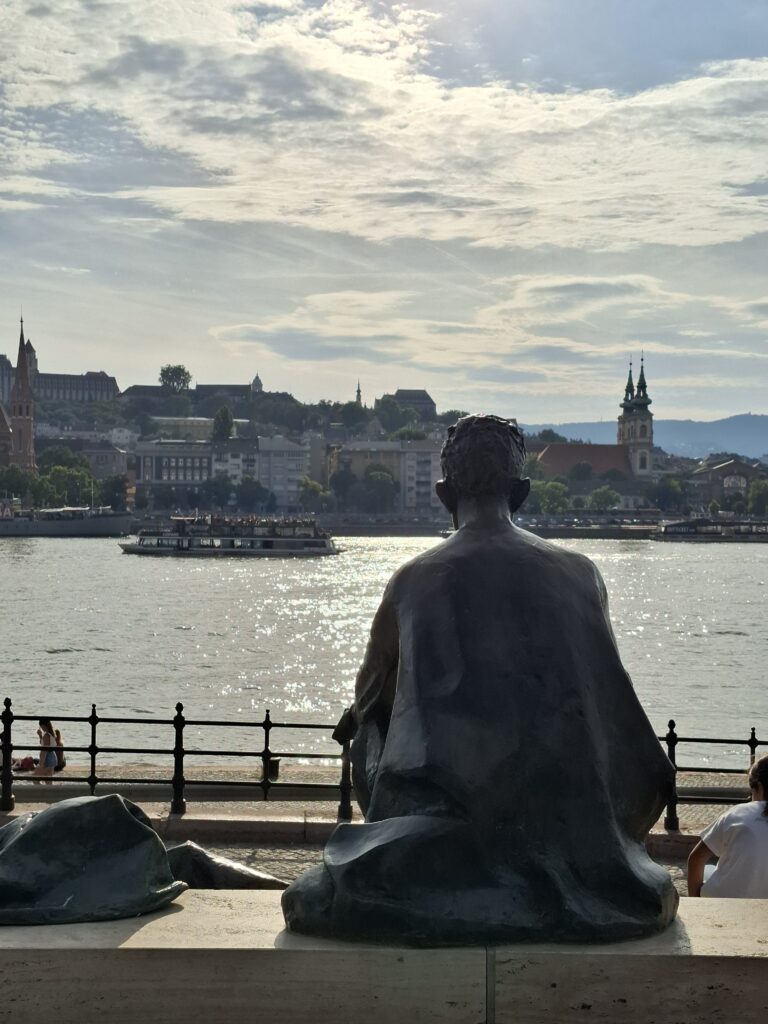
Before dinner, we still had time for a quick stop by the exterior of the Hungarian Parliament — one of the country’s most iconic landmarks. Located on the banks of the Danube River, its neo-Gothic architecture is equally breathtaking during the day and when beautifully lit at night.
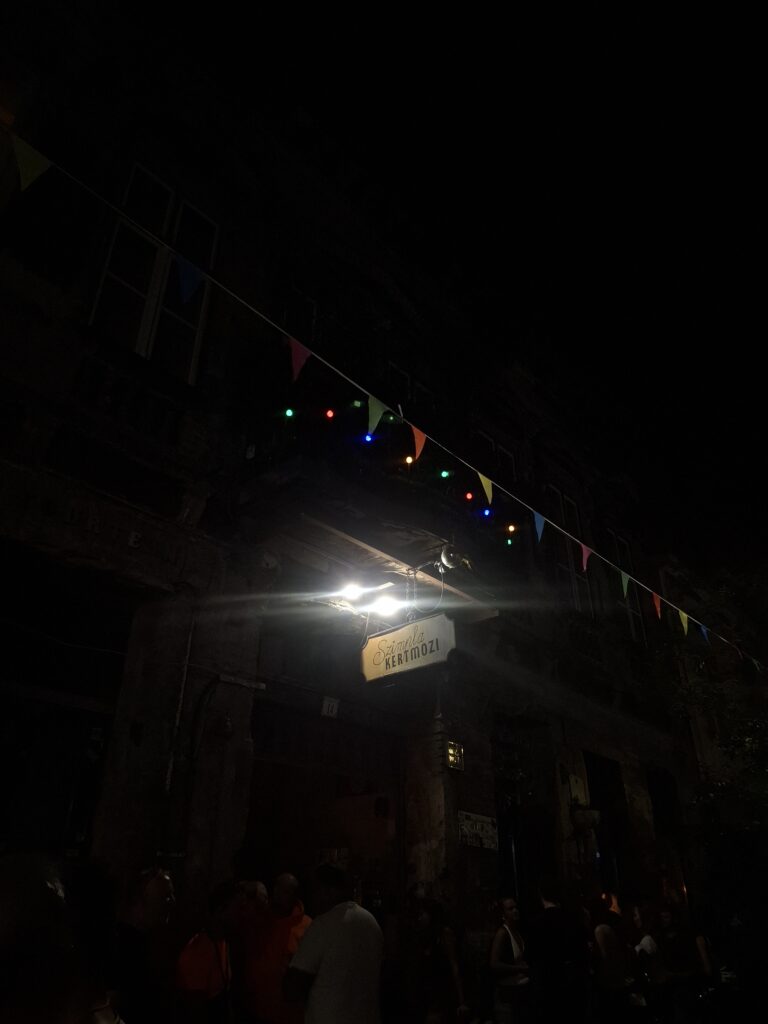
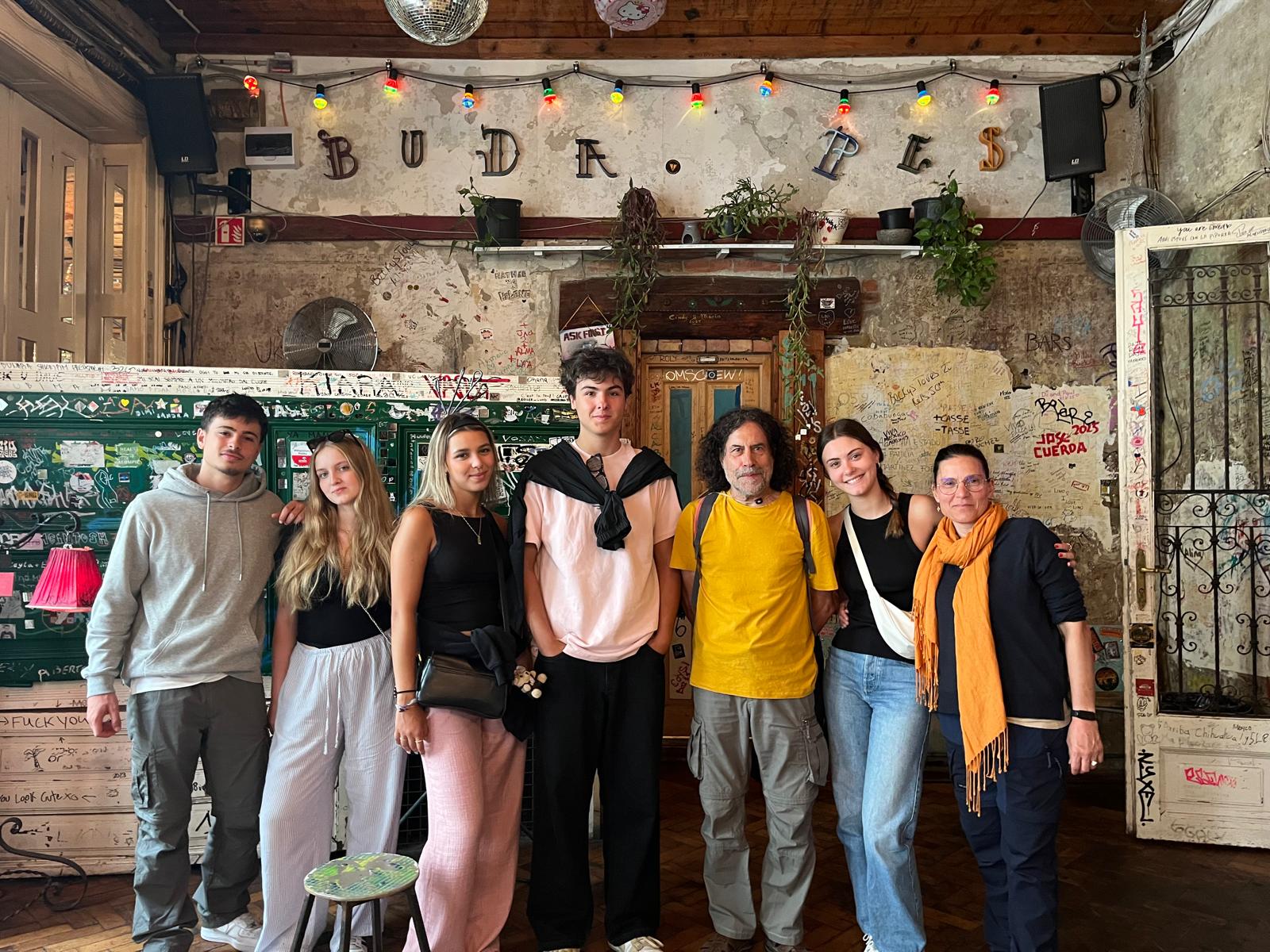
To end the day, we had dinner at Szimpla Kert, one of the city’s most famous ruin bars, which also functions as a multicultural café. The place itself is a symbol of Budapest’s alternative culture and creative spirit: a space where locals and travelers from all backgrounds come together.
This day was a true celebration of Hungarian culture, tradition, and heritage — and another meaningful step on our journey of cultural discovery and inclusion.