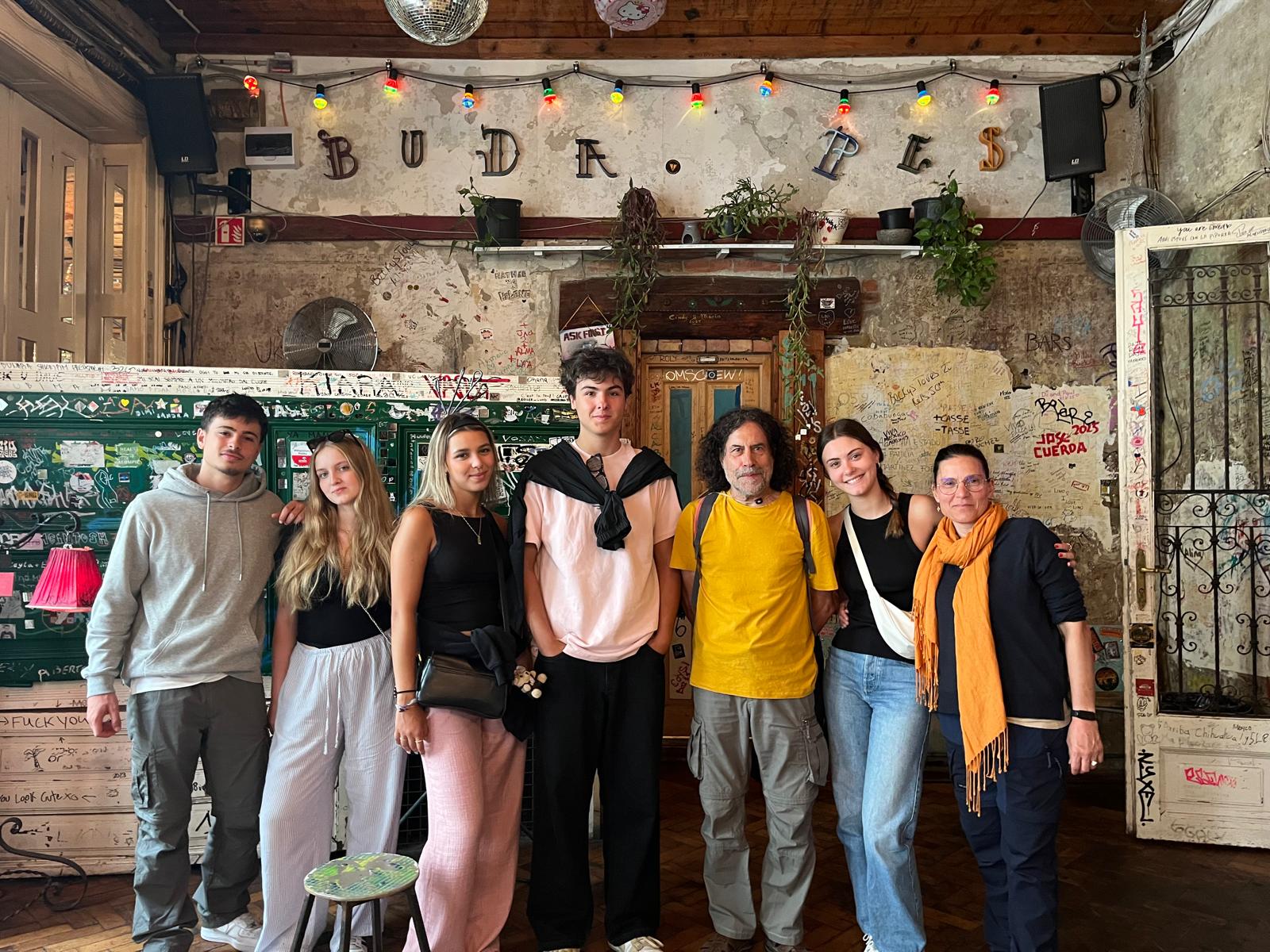
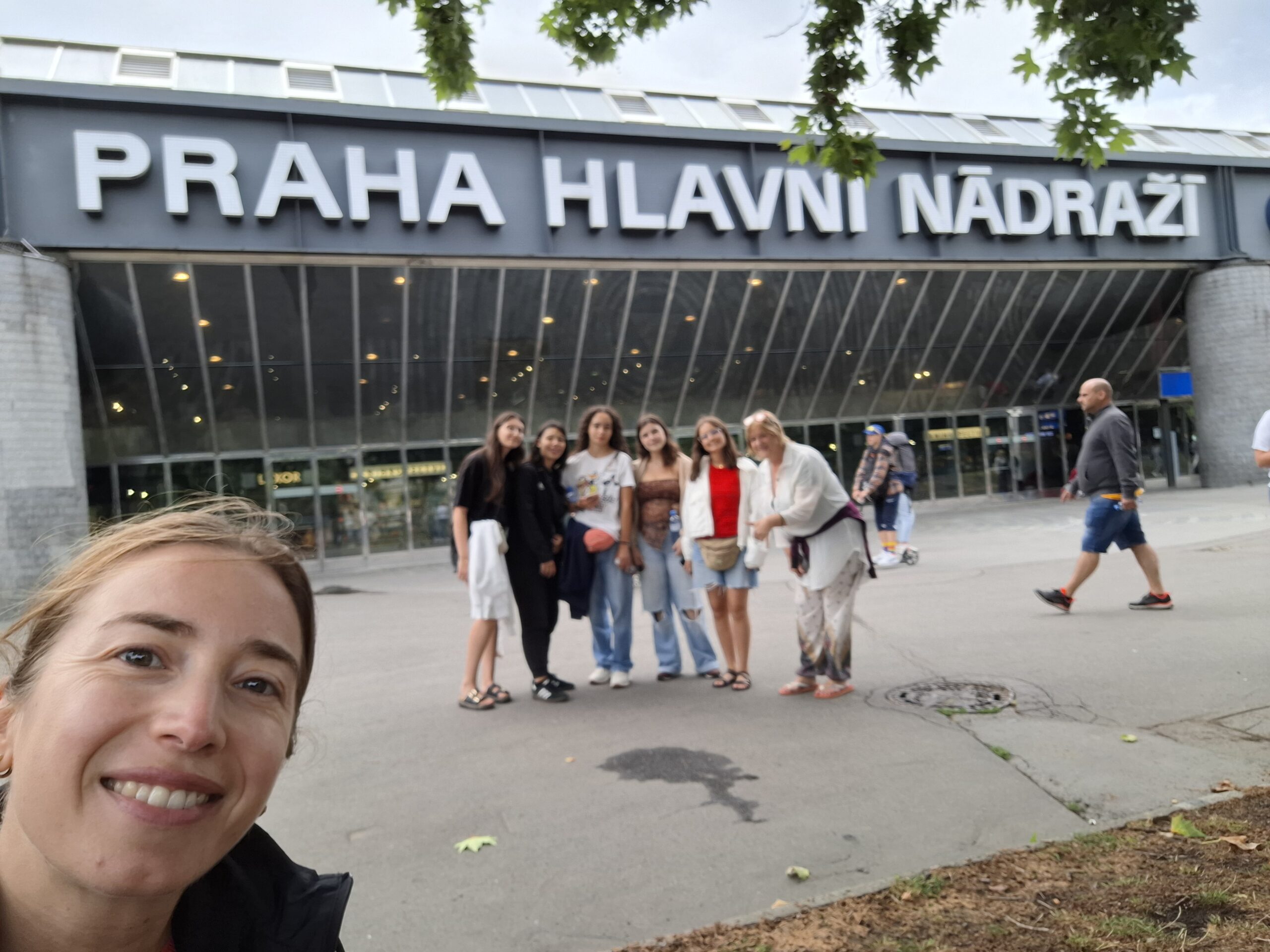
On the seventh day of our journey, we started our morning in Prague with eager anticipation. The day began with a meaningful and eye-opening visit to the SIMI association (Association for Integration and Migration), where we had the opportunity to learn about their essential work with migrants and refugees.
During an engaging interview, representatives from SIMI shared how their organization supports migrants in integrating into Czech society. They offer legal assistance, language courses, psychological support, and various educational programs aimed at helping newcomers find employment and housing. Beyond the practical support, SIMI also promotes cultural exchange and mutual understanding through community events and intercultural dialogue. Their mission embodies the core values of inclusion, respect, and human dignity — values that are essential for building cohesive and empathetic societies.
Following this enriching moment, we set off to explore the historical and cultural heart of Prague. We visited several religious sites that reflect the city’s multicultural heritage, including Protestant churches and Jewish synagogues, highlighting Prague’s long-standing religious diversity and the coexistence of different beliefs through centuries.
We wandered through the Old Town Square, a vibrant area rich in Gothic and Baroque architecture. Here, we admired the world-famous Prague Astronomical Clock, a medieval masterpiece that has fascinated visitors since the 15th century.
In the afternoon, we visited the Museum of Torture, which offered a darker insight into historical methods of punishment, reminding us of the importance of human rights and the value of empathy and justice in modern society.
We also passed by the Franz Kafka statue, a tribute to the renowned writer born in Prague. Kafka, best known for works such as The Metamorphosis and The Trial, explored themes of alienation and identity — issues that still resonate today in conversations about migration and inclusion.
We ended the day with a walk across the Charles Bridge, one of the most iconic landmarks in Prague. This historic bridge, adorned with statues of saints, connects the Old Town to the Lesser Town and offers breathtaking views of the Vltava River. As we crossed, we reflected on the many cultures, peoples, and stories that have shaped this city.
Our final stop was the Jewish Quarter (Josefov), a deeply significant area that bears witness to the rich Jewish history of Prague. Here, we saw preserved synagogues and the Old Jewish Cemetery — a silent yet powerful reminder of the community’s resilience, suffering, and contributions throughout centuries.
Throughout the day, every experience — from the morning interview to the historical sites — allowed us to reflect more deeply on the importance of cultural understanding and inclusion. Prague, with its layered history, diverse communities, and ongoing efforts to support integration, offered us not just beautiful views, but also meaningful lessons about empathy, respect, and the human spirit.