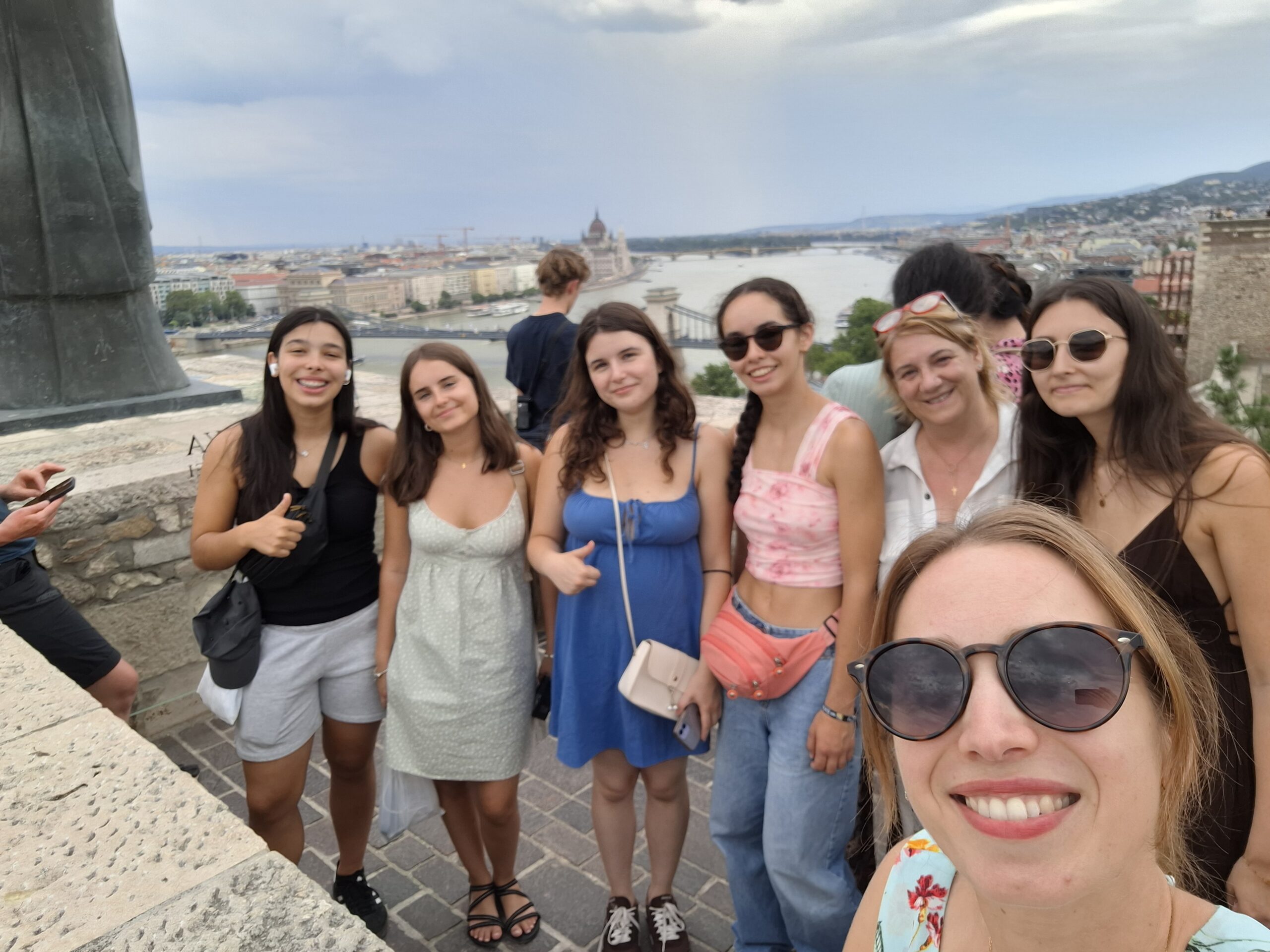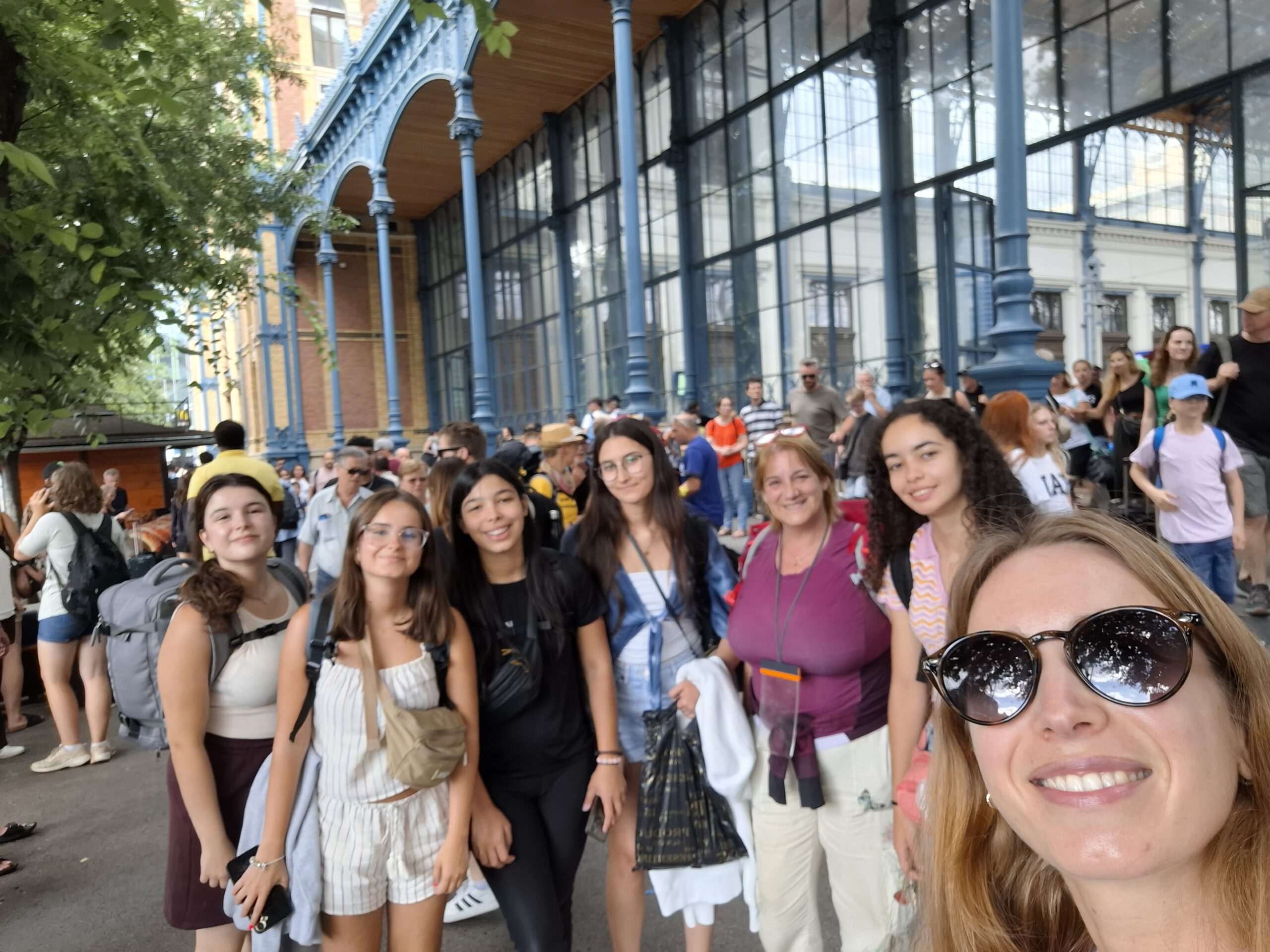
On the fourth day of our journey, July 28, we began the morning with an unexpected but enriching encounter. While heading out for breakfast, we met a Portuguese migrant living in Munich who kindly offered to show us around the city. His personal perspective gave us a deeper understanding of life as a migrant and the importance of community support and inclusion.
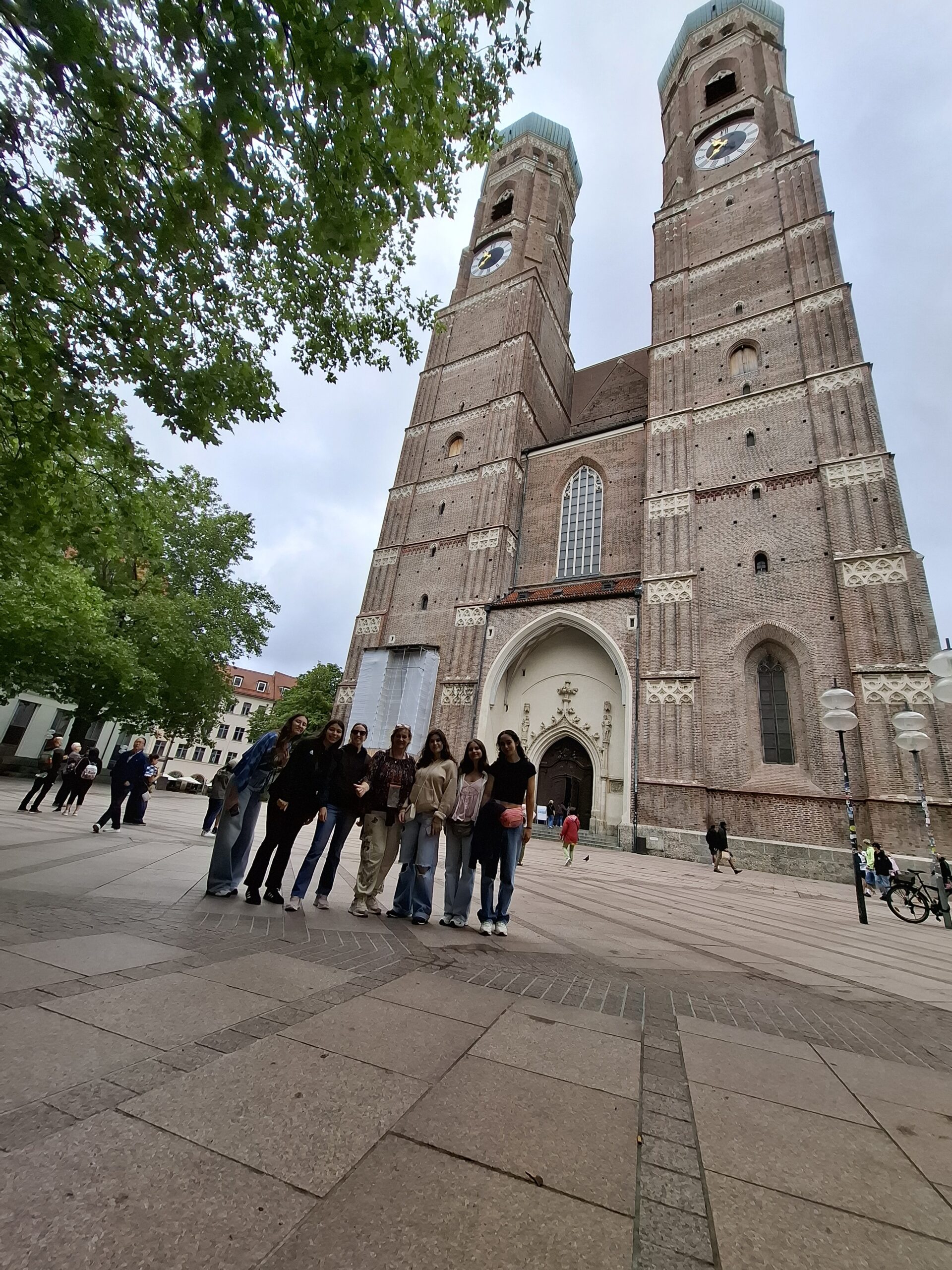
During the tour, we visited several key landmarks, including the Palace of Justice, Karlsplatz, and Munich’s City Hall. Our exploration also brought us closer to the city’s religious heritage, with visits to iconic places of worship such as St. Michael’s Church and the famous Frauenkirche—Munich Cathedral—known for the mysterious “Devil’s Footprint.” Later in the morning, we visited the Residenz München museum, one of the most significant cultural sites in the city. Formerly the royal palace of the Wittelsbach monarchs of Bavaria, the Residenz is the largest city palace in Germany. It offers a remarkable collection of rooms, artworks, and historical artifacts that showcase the evolution of German art, architecture, and royal life over the centuries. The museum gave us a unique insight into how culture, power, and identity were expressed throughout history.
After lunch, we made our way to the “Spielplatz” to attend a cultural event called Kulturstrand, which aimed to promote music, art, and sports as forms of expression and unity. Unfortunately, no activities were taking place at the time, due to the bad weather, so we continued to our next destination—Bellevue di Monaco.
Bellevue di Monaco is a non-profit residential and cultural center in central Munich, dedicated to supporting refugees, migrants, and asylum seekers through a wide variety of social and educational initiatives. Founded in 2015 as a civil society response to the refugee crisis, Bellevue emerged from a grassroots movement that brought together local residents, artists, activists, and city officials. The project successfully prevented the demolition of three historic buildings and transformed them into a welcoming space focused on dignity, empowerment, and community. Today, Bellevue di Monaco houses over 40 refugees and offers a rich program of activities designed to promote integration and intercultural dialogue. These include free German language courses, tutoring for children and teenagers, legal and psychological counselling, professional orientation workshops, and cultural events such as art exhibitions, film screenings, concerts, and public debates. The center also assists with basic needs such as food support and help in filling out essential administrative documents, which is crucial for those navigating a new country with limited resources or language skills. A team of volunteers and professionals is always available to help migrants understand bureaucratic procedures, access healthcare, and apply for legal status or work permits.In addition, the in-house café—run by a diverse team of refugees and volunteers—not only provides affordable meals but also functions as a space for integration, offering training and employment while encouraging informal exchanges between locals and newcomers. Bellevue di Monaco stands as a living example of how cities can embrace diversity, build bridges between cultures, and ensure that no one is left behind.
In the evening, we wrapped up our day with a traditional dinner at Hofbräuhaus, a famous Bavarian beer hall known for its lively and inclusive atmosphere. There, we had the chance to taste authentic German beer. Alongside the beer, we enjoyed freshly baked pretzels and traditional Bavarian dishes, all while listening to live folk music that made us feel fully immersed in the local culture.After this vibrant evening, we returned to our apartment to rest and recharge for the next day, when a new destination awaited us.