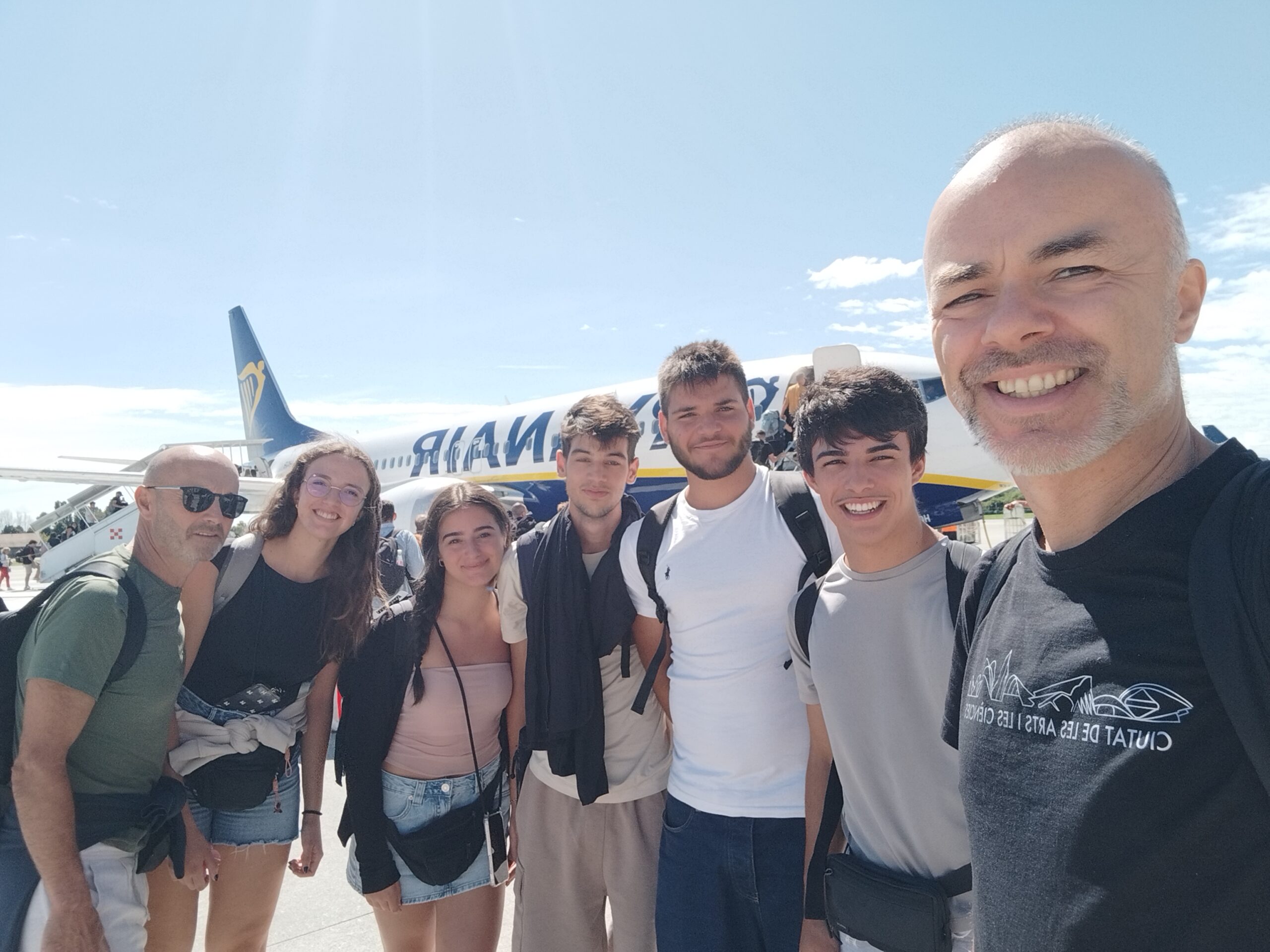
The Future Ready activity, held from 25 July to 3 August, was a very enriching and successful experience for a group of young Portuguese participants. Organised under the Erasmus+ DiscoverEU Inclusion Action programme, the mobility aimed to foster digital skills, cultural awareness, and European identity through non-formal learning.Over ten days, five 18-year-old participants, accompanied by two teachers, travelled across several Italian cities — including Milan, Genoa, Florence, Rome, Naples, Bari, Bologna, and Venice. They used a wide range of digital tools and mobile applications such as Visit a City, Refill Return, ClosBox, and Visit Genoa to plan routes, explore cultural landmarks, and manage daily challenges. Technology became a key ally in promoting autonomy, collaboration, and meaningful exploration.The group also visited innovative institutions such as Apulia Digital Maker, the Polytechnic of Bari, and IDEA Academy, where they were introduced to topics like artificial intelligence, digital design, and post-secondary tech education.Participants absorbed a wide variety of digital resources with potential applications across different fields. The experience not only strengthened their technological and transversal skills but also promoted teamwork, creativity, adaptability, and a deeper connection to European values.
Digital Culture and Human Connection: An Italian Experience
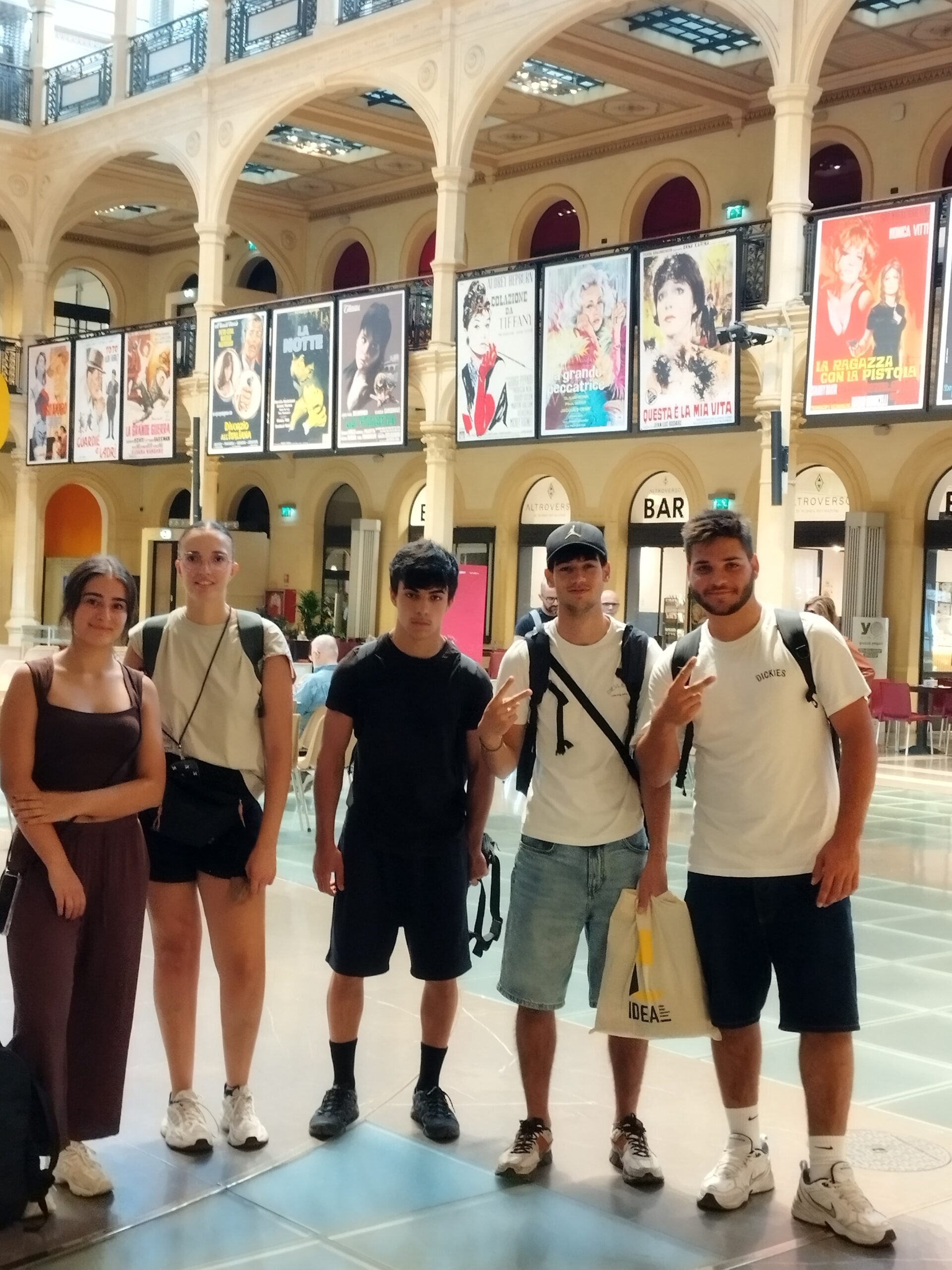
Now in Bologna, we visited the Salaborsa Library, where we explored several digital initiatives, such as the SBN UBO app, which makes it easier to access and manage the city’s public libraries. We also discovered the Patto per la Lettura di Bologna, a collaborative initiative that promotes reading as a form of active citizenship and community connection. Another highlight was the E-LOV Leggere Ovunque project, which offers free access to literary and cultural content via QR codes placed in hospitals, making waiting times more pleasant. We also had the opportunity to learn about the PASS – Polo di Accoglienza e Servizi Solidali project, run by the association Bimbo Tu, which provides free housing and support services to families of children undergoing serious medical treatments. On the association’s website, anyone can contribute with one-time or regular donations, which are tax-deductible, thus reinforcing this meaningful mission. We also took the opportunity to visit Venice — an unmissable stop, especially with our return flight departing nearby from this unique and wonderful city.
A Creative Dive into Digital Education
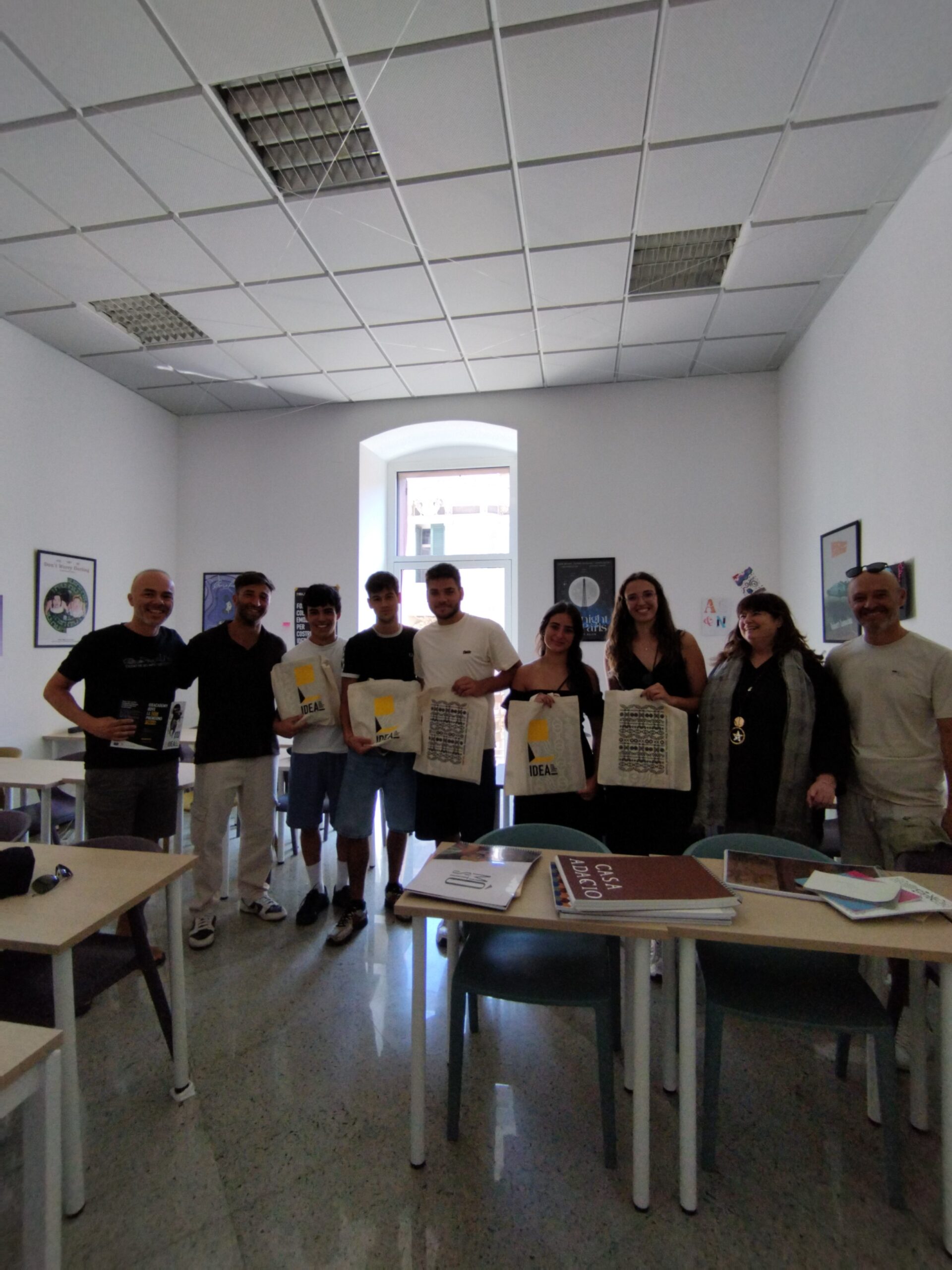
The Future Ready group visited IDEA Academy, an institution offering three-year courses in emerging digital fields for students who have completed upper secondary education. They were welcomed by the Academy’s Director, Margarida, who explained how the institution operates and supports students throughout their learning journey. During the visit, participants had the opportunity to explore the available programmes, including Web Development, Photography, and Design, and to learn about the academy’s innovative, hands-on approach to digital education. They also had the chance to see some of the work produced by students from the different courses, which showcased both creativity and technical skills.
Exploring Technological Education in Bari: Artificial Intelligence and Academic Innovation
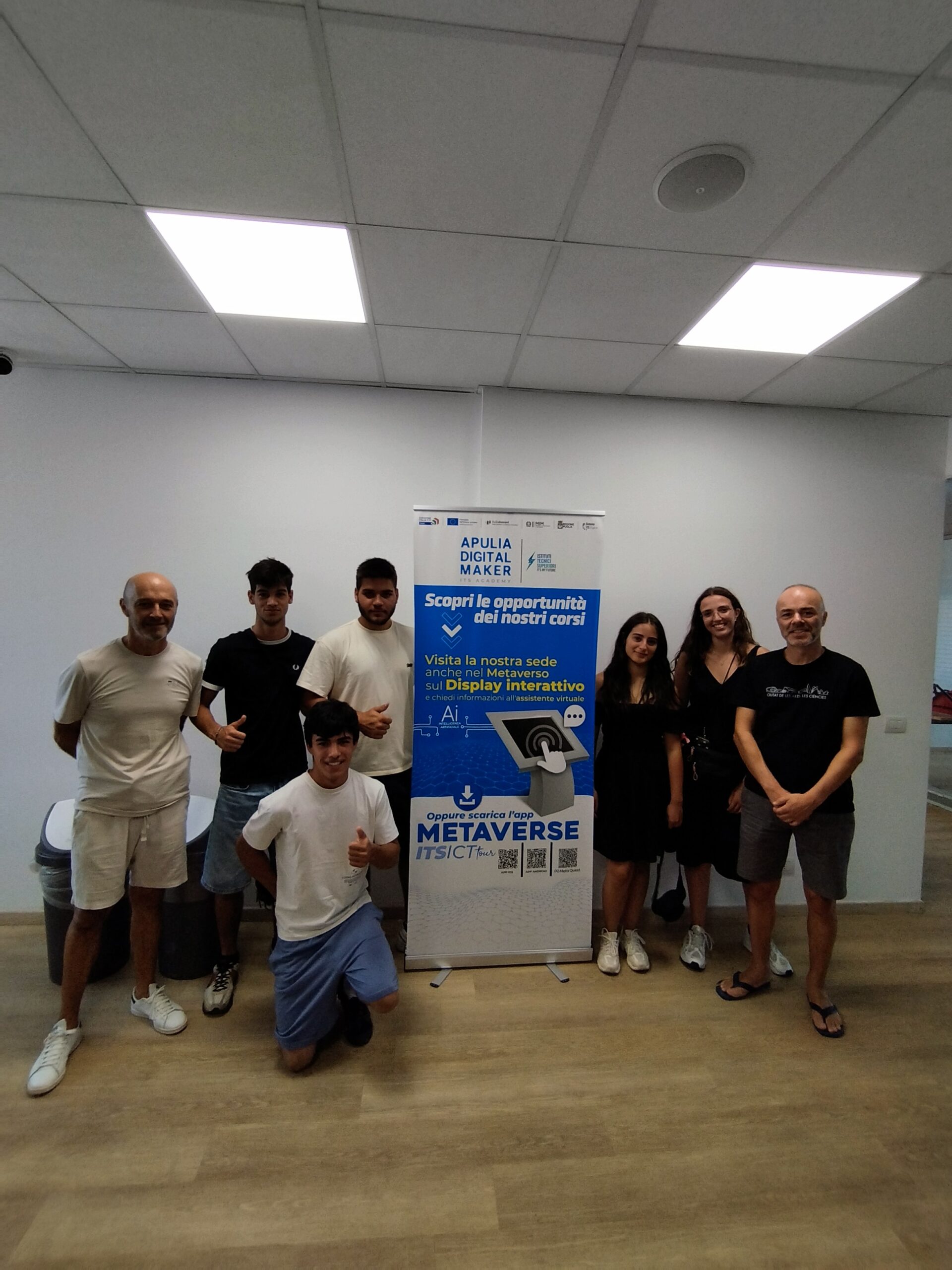
This day proved to be particularly enriching for deepening our understanding of what is being developed in the field of education and new technologies. Participants had the opportunity to visit Apulia Digital Maker, where an Artificial Intelligence class was taking place, integrated into a course similar to the Professional Higher Technical Courses (CTeSP) available in Portugal. The visit offered direct contact with innovative teaching methodologies and a practical approach to digital skills training, focused on emerging technologies. In the afternoon, the group visited the Polytechnic University of Bari, where they explored the Department of Computer Science. During the visit, it was possible to observe some of the work currently underway, particularly in the context of planning for the upcoming academic year, highlighting the institution’s strong investment in curricular and technological innovation.This experience underlined the value of international exchange as a tool to enhance educational practices, allowing participants to reflect on potential improvements and adaptations in their own institutions. #apuliadigital
From Naples to Bari: Exploring the City with Digital Tools
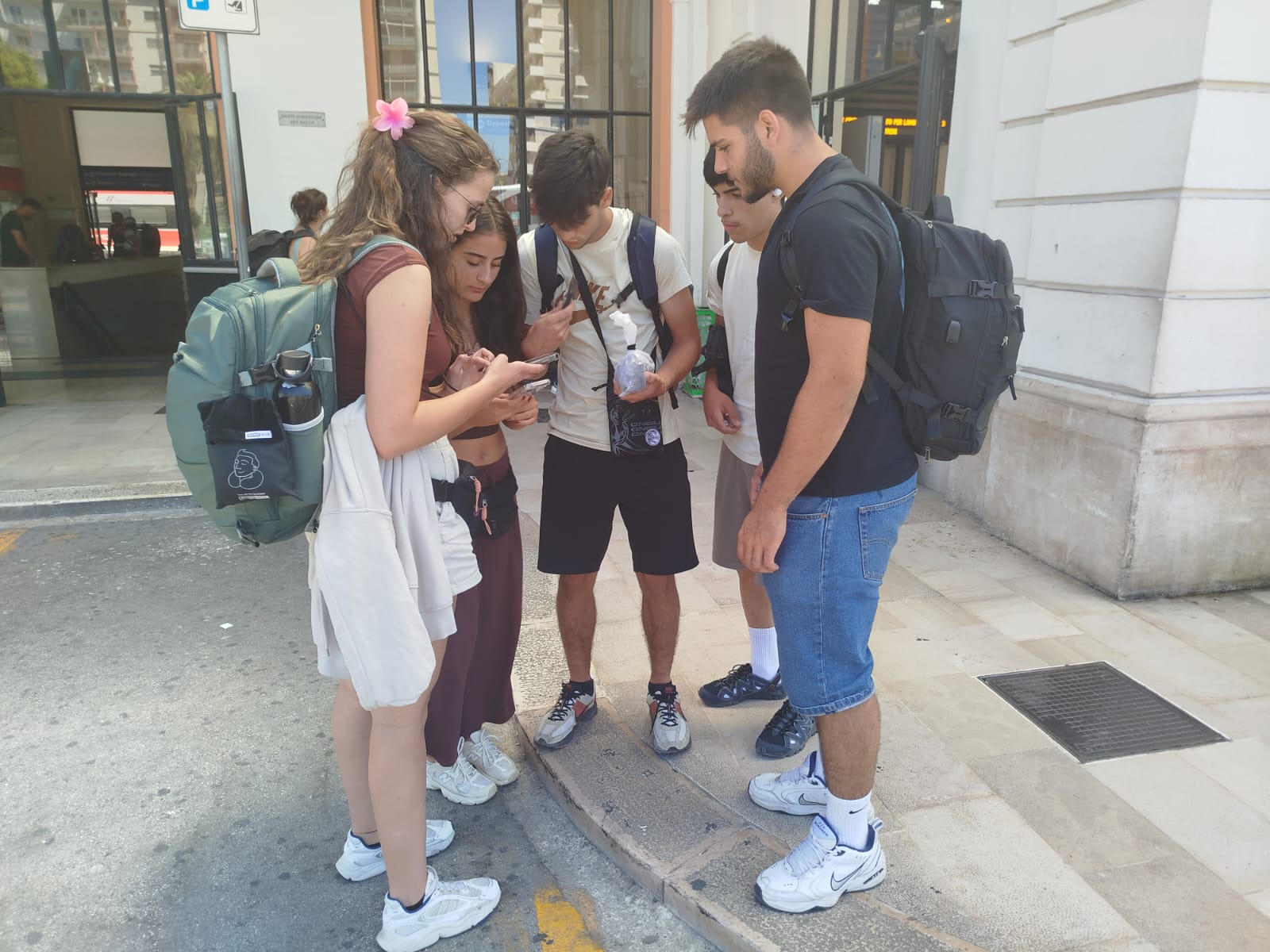
After a long journey from Naples, Italy’s third-largest city, to Bari, the participants organized themselves to explore the city’s main attractions using the “Visit a City” app. They began with a visit to the Università degli Studi di Bari, followed by other key landmarks. As they moved through the city, the need to use public transport arose. The participants discovered and made use of the app provided by the Bari municipality to facilitate their mobility.
Exploring Rome with Ingenuity and Curiosity
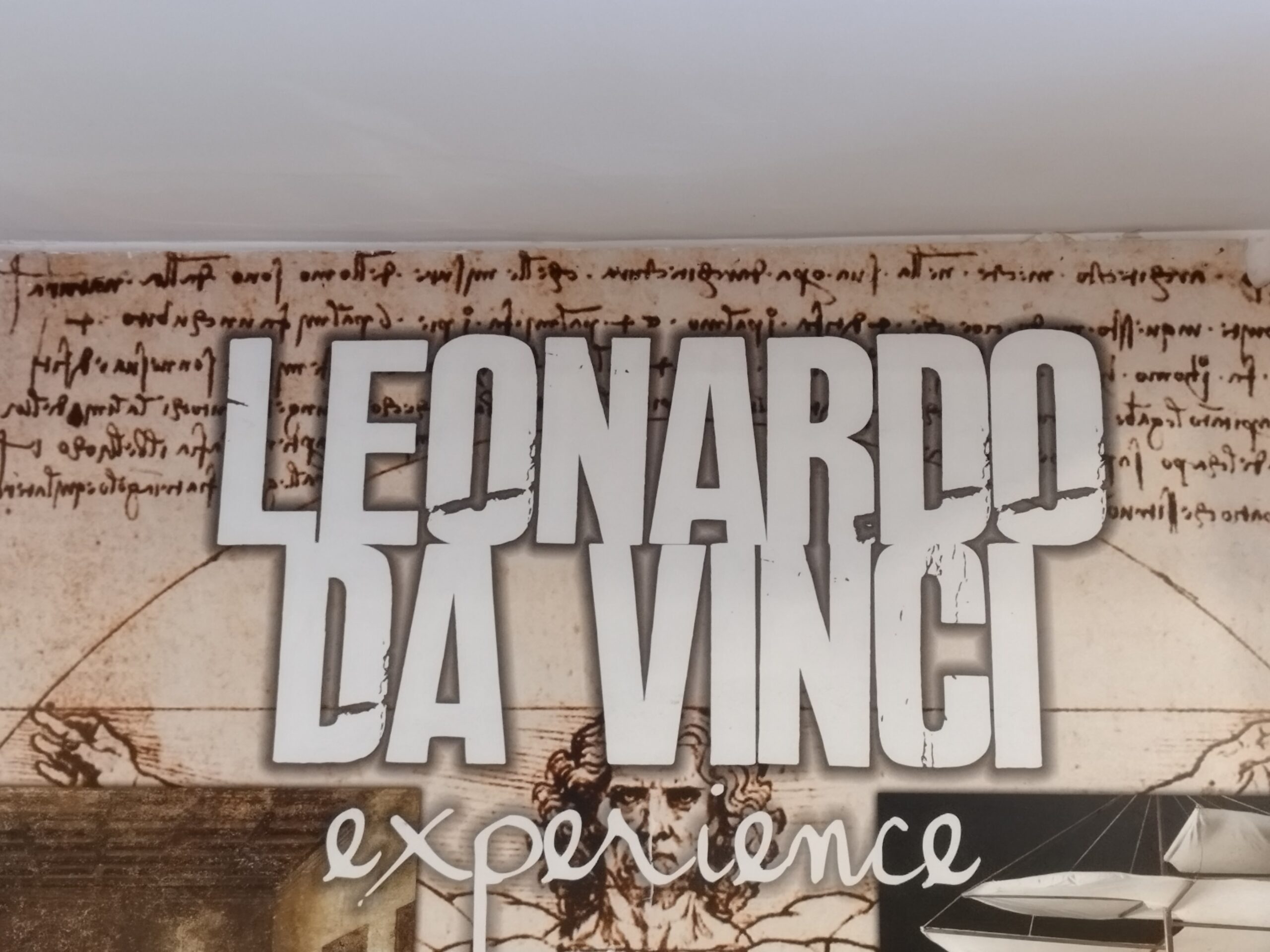
Today we began our journey in the magnificent city of Rome. The first challenge of the day was finding a practical solution to store our 7 backpacks. Thanks to the initiative of our participants, we installed the recommended app and efficiently and economically managed to book a single locker spacious enough for all our belongings.With everything safely stored, we set out on a cultural and scientific adventure at the Leonardo da Vinci Experience Museum, located near the Vatican. The exhibition was truly fascinating, allowing us to explore some of the most visionary inventions of this Renaissance genius.Among the many models and creations on display, one stood out in particular: one of the earliest examples of a robot — a mechanical knight designed by Leonardo da Vinci in the 15th century. This ingenious creation, equipped with mechanisms that allowed it to move its arms, head, and even simulate torso movements, amazed all participants and revealed how Leonardo’s futuristic vision was centuries ahead of his time.
Discovering Florence through Technology: A Smart Journey for the Future Ready Group
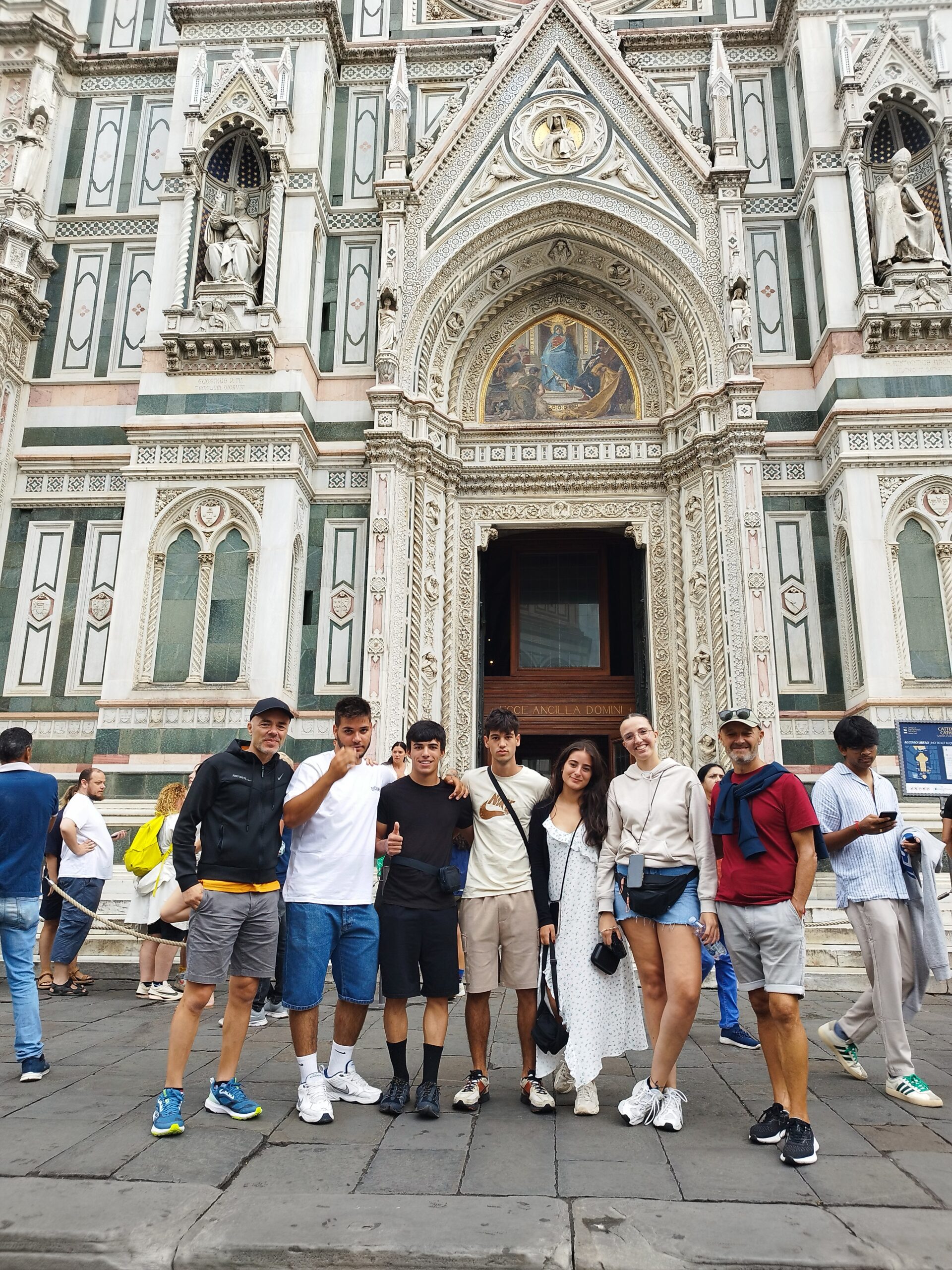
During the most recent stage of the mobility experience, the Future Ready group explored the beautiful city of Florence in an innovative way, using a local app specifically designed to help visitors discover the city’s key landmarks in a more autonomous and interactive manner. Through the app, participants accessed thematic routes, historical and cultural insights, local curiosities, and personalized recommendations. Iconic sites such as the Duomo, Ponte Vecchio, the Uffizi Gallery, and the hidden corners of Florence’s narrow streets came to life in a unique digital experience. This tech-based approach not only made it easier to navigate the city, but also promoted active learning, curiosity, and independent exploration, allowing participants to engage deeply with one of Europe’s most remarkable artistic and historical centers. The initiative highlights the Future Ready group’s commitment to using technology in educational and cultural contexts, enabling participants to enhance their digital skills while gaining a richer understanding of European heritage.
Future Ready Discovers Italy with the Help of Technology
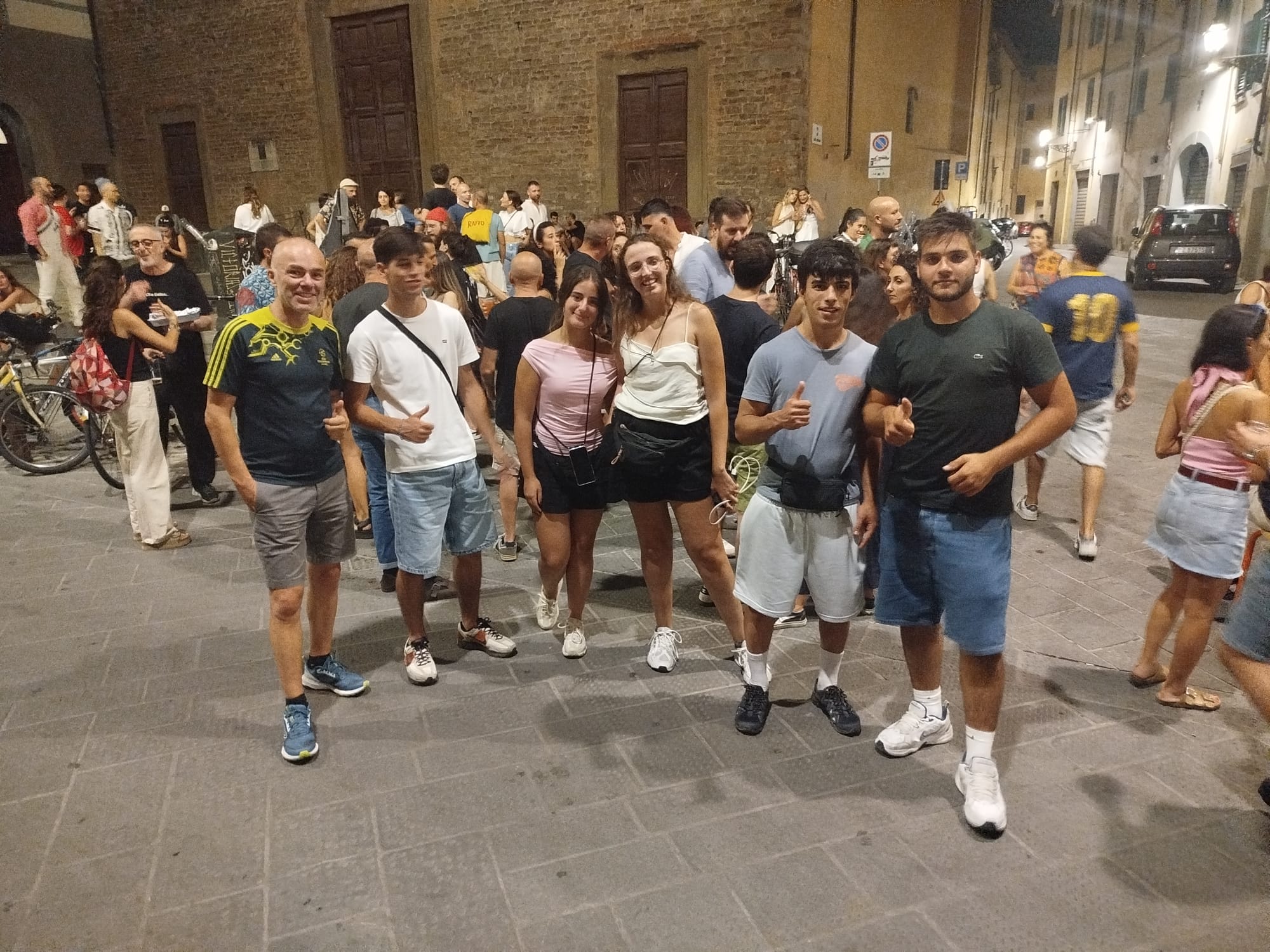
This time, the Future Ready group explored the stunning region of Cinque Terre and, thanks to new technologies, managed to beat the heat. We used the Refill Return app, which was recommended to us locally, to easily locate water fountains where we could refill our bottles – a truly valuable resource along the way. The participants took an active role in the organization, using Google Maps to select and plan the places to visit, which fostered a greater sense of autonomy and engagement. In Florence, upon arriving at our hostel, we were surprised to see that cleaning tasks were carried out by smart robots, demonstrating how innovation is also making its way into the hospitality sector.
From Cultural Discovery to Technological Innovation: A Day in Genoa
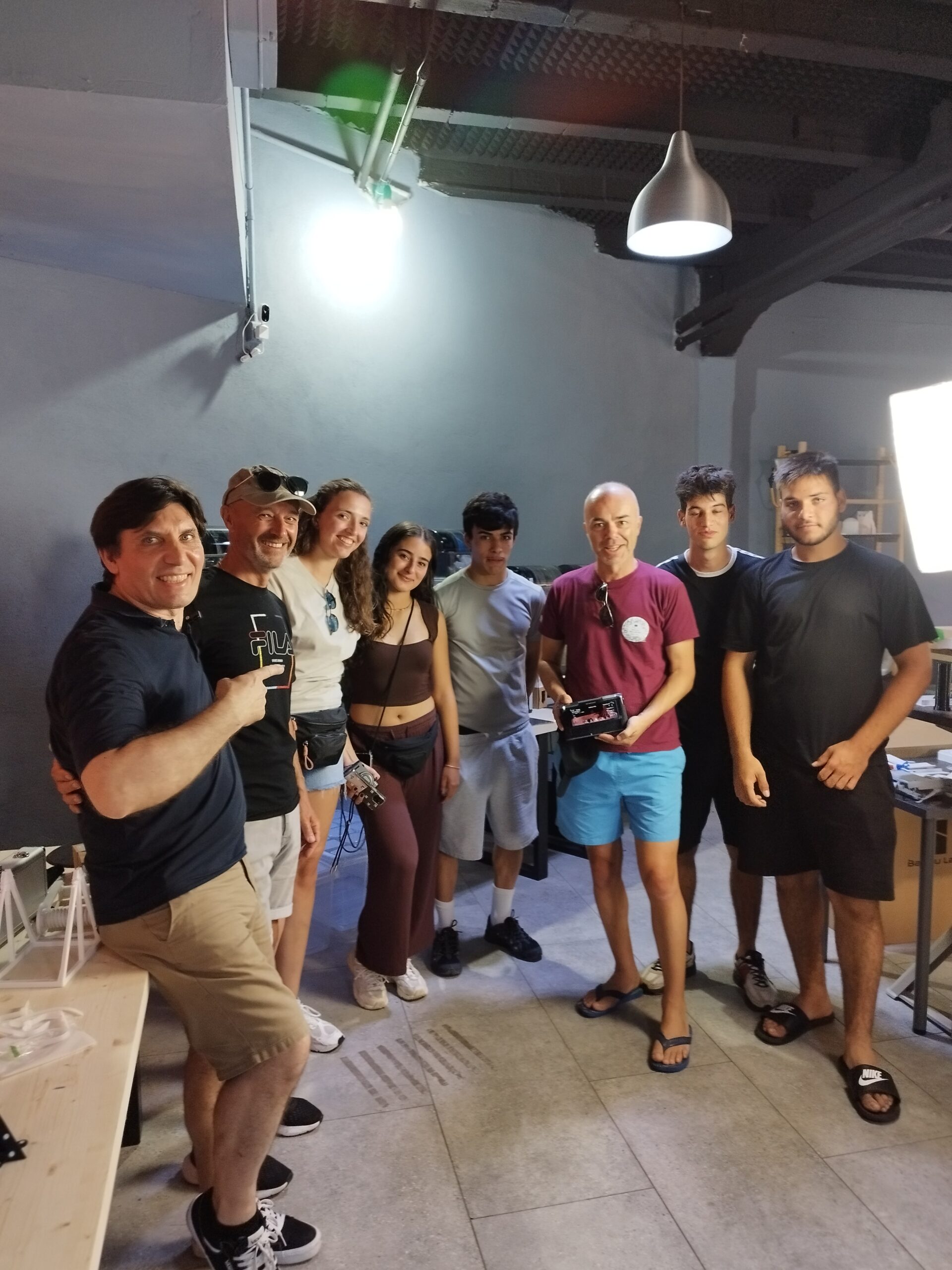
On the second day of their mobility experience, the Future Ready group travelled to the coastal city of Genoa, where they enjoyed a rich and inspiring day that combined digital culture with direct engagement with emerging technologies. In the morning, the participants explored the city using the Visit Genoa app, developed by the City Council to offer interactive cultural routes, historical information, and suggestions tailored to different visitor profiles. Through this digital tool, the group visited some of Genoa’s most iconic landmarks — including the Old Port, historical alleyways, and cultural points of interest — in an autonomous and personalized way. The app also proved particularly useful for campervan travellers, with features such as parking zone identification, local services, and support for sustainable mobility — a practical example of how technology can enhance the tourist experience. In the afternoon, the group attended a 3D printing and laser cutting workshop led by Alessandro, a local expert with a passion for digital fabrication. Beyond explaining the processes involved, he presented the latest model of a multifunctional printer that integrates both technologies in a single device. This demonstration allowed participants to reflect on the creative and educational potential of digital manufacturing, encouraging practical thinking and hands-on experimentation. This second day was yet another example of the mobility’s core mission: to connect young people to technology in a creative and conscious way, while fostering critical thinking, cultural exploration, and the development of future-ready skills.
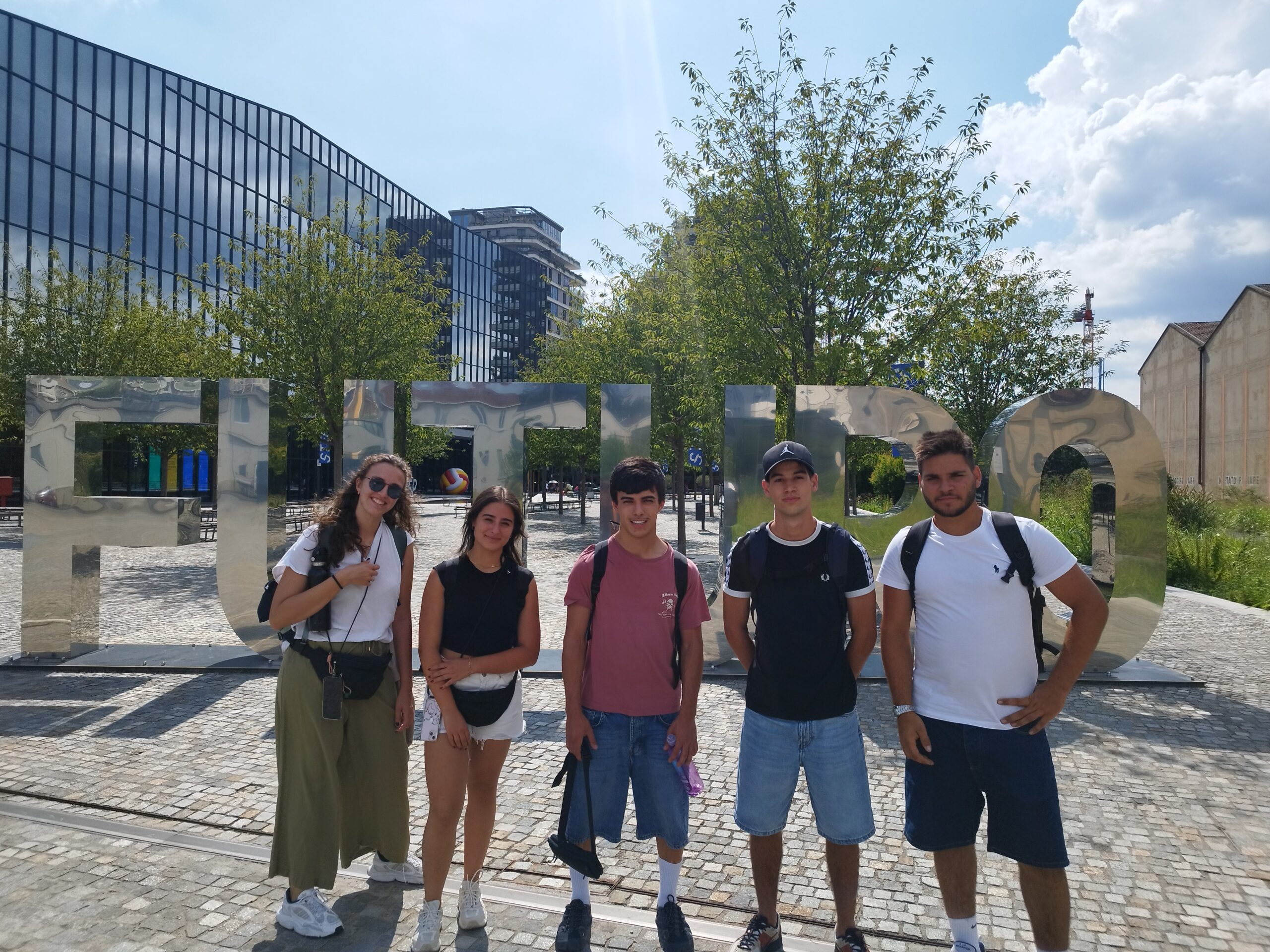
Future Ready: Em Milão a Desvendar o Futuro Digital
O grupo Future Ready, formado por cinco jovens e dois professores do Agrupamento de Escolas Terras do Ave, iniciou uma estimulante mobilidade de 10 dias, em Itália. Esta experiência internacional, inserida no âmbito de um projeto europeu para o desenvolvimento de competências digitais e da cidadania ativa, tem como objetivo preparar os jovens para os desafios da sociedade digital e promover uma aprendizagem significativa fora da sala de aula.Um dos momentos mais marcantes desta viagem foi a visita ao STEP FuturAbility District, um espaço inovador que alia arte, ciência e tecnologia para ajudar os visitantes a compreender como a transformação digital está a moldar o presente e a projetar o futuro.A experiência no STEP não foi apenas uma visita, mas uma verdadeira imersão interativa e sensorial. Logo à entrada, os participantes foram convidados a responder a um conjunto de perguntas que lhes permitiu gerar um perfil digital personalizado, com base em interesses, atitudes e competências. Ao longo do percurso, os jovens exploraram instalações tecnológicas envolventes, vídeos 3D, simulações e jogos interativos que lhes mostraram, de forma clara e criativa, como a inteligência artificial, a internet das coisas, a biotecnologia ou a robótica estão a mudar as profissões, os hábitos e os estilos de vida.Através desta visita, os participantes refletiram sobre o papel do ser humano num mundo cada vez mais automatizado e interligado, tendo a oportunidade de explorar o seu potencial, descobrir áreas de vocação e compreender a importância das soft skills no futuro do trabalho. Além disso, o STEP promoveu momentos de diálogo e pensamento crítico sobre ética digital, sustentabilidade e inclusão tecnológica.Esta atividade constituiu um importante ponto de partida para os restantes dias da mobilidade, nos quais os jovens irão participar em oficinas, visitas a centros tecnológicos e momentos de intercâmbio cultural.Com esta iniciativa, o Agrupamento de Escolas Terras do Ave reforça o seu compromisso com uma educação inovadora e transformadora, proporcionando aos seus alunos experiências internacionais que potenciam o crescimento pessoal, académico e social.